MSU Entomology Welcomes Largest Freshman Class in Department History
 Print
Print Email
EmailThe Department of Entomology welcomes its largest-ever incoming undergraduate class, along with four new graduate students, for the 2026-27 academic year.
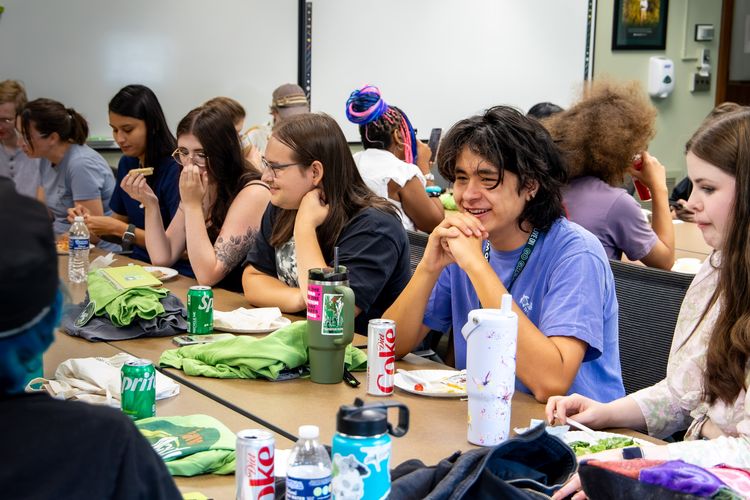
The 2026-27 school year has officially begun, and Michigan State University (MSU) Entomology has welcomed the largest group of first-year majors in the department's history. 18 new undergraduate entomology majors are joining Team Mayfly, surpassing last year's record-setting incoming class and marking another year of sustained enrollment growth.
The incoming undergraduate class represents nine states across the country, as well as an international student from China, reflecting the growing reach of the department and increasing interest in insect science among students from diverse backgrounds.
"We are thrilled at the continued, growing interest in our Entomology major,” Entomology Department Chairperson Hannah Burrack said. “Training in Entomology provides students the opportunity to learn skills from molecular biology to landscape ecology and everything between using insects as the common link."
MSU Entomology also welcomes four new graduate students this year:
- Isamar Reyes, Ph.D. student working with Anders Huseth
- Sophia Reindl, master's student working with Anders Huseth
- Sayde Ridling, master's student working with Anthony Cognato
- Shelley Linder Spotts, Ph.D. student working with Marianna Szűcs
MSU Entomology is a national and international leader in the study of arthropod biology, ecology and management. The department offers Bachelor of Science degrees (major or minor), as well as master’s and doctoral programs. Faculty, students and staff conduct research with real-world impact, from agriculture to natural and urban ecosystems, and share their expertise across Michigan through Extension and worldwide through global collaborations. Graduates of MSU Entomology go on to lead in agriculture, policy, education and science.
The department's continued enrollment growth reflects increasing recognition of the important role insects play in maintaining healthy ecosystems, supporting agricultural production and addressing emerging environmental challenges. Students gain hands-on experience through research, fieldwork, internships and outreach opportunities that prepare them for careers in science, education, policy and industry.