


The science behind butter storage
 Print
Print Email
EmailSome people are adamant of the type of storage butter requires. Is it best to store at room temperature, refrigerate or freeze? Read the article to learn the answers.
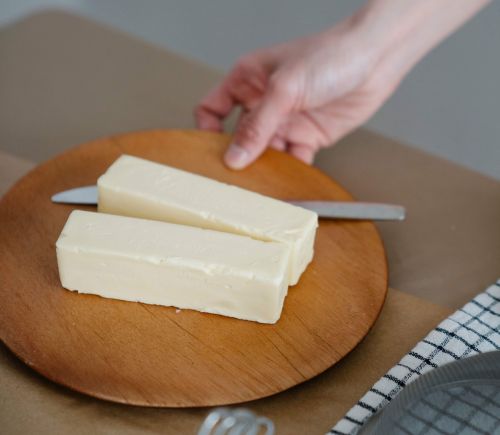
There is a common debate that takes place regarding whether or not butter should be stored at room temperature or in the refrigerator or freezer. Many butter lovers enjoy the flavor of butter but want to enjoy it while it is softened. Then there are those that argue that it is either not safe or of a lesser quality when stored at room temperature and should be refrigerated. So, let’s break down this argument and consider the recommendations.
The composition, pasteurization, and crystallization all impact the shelf life of butter. Butter is made from milk, specifically cream. The composition of butter is typically 80-82% fat and 16-17.5% water. The combination of this very high fat content and low water content creates an environment that does not support bacterial growth. Pasteurization of the cream used to make butter destroys pathogens that might be present. Lastly, when butter is made, fat molecules surround the water, which makes it more stable and extends its shelf life. As a side note, the composition of margarine is not the same as butter and should not be stored at room temperature.
The United States Department of Agriculture (USDA) has a great tool that you can use to find the recommended shelf life of food called the FoodKeeper App. The USDA recommends using butter 1-2 months from the date of purchase if refrigerated, or in 6-9 months from the date of purchase if frozen. Storing it at room temperature is only recommended for 1-2 days. When butter is stored at room temperature, it has a greater chance of developing off flavors (oxidative or hydrolytic rancidity) through a chemical reaction. While rancid butter may not be unsafe to eat, it definitely creates an off flavor.
Storing butter in the refrigerator offers a level of safety because it protects it from this oxidative stress and also most bacteria do not thrive in the cold temperatures. Additionally, cold storage also can improve the quality because when stored at room temperature, the water can separate from the fat and could change the texture and ultimately impact the quality of the product you are making, like a cake for example.
It is best to store your butter in the refrigerator, but you may want it softened for a recipe, or to spread on your morning toast. Some workarounds for this:
- Set the butter out in advance to allow it time to soften.
- Only remove one or two tablespoons at a time – using it within the recommended one-to-two-day room temperature storage.
- Use the microwave to soften butter, at a lower setting – check the manufacturer directions.
- You can bring water to a boil in a two or four cup glass measuring cup, discard the water and then invert the glass cup over the stick of butter. This heat will soften the butter, typically in 30 minutes or less.
