Understanding PFAS
 Print
Print Email
EmailPer- and polyfluoroalkyl substances, what they are, how they affect us, where they come from and what we can do.
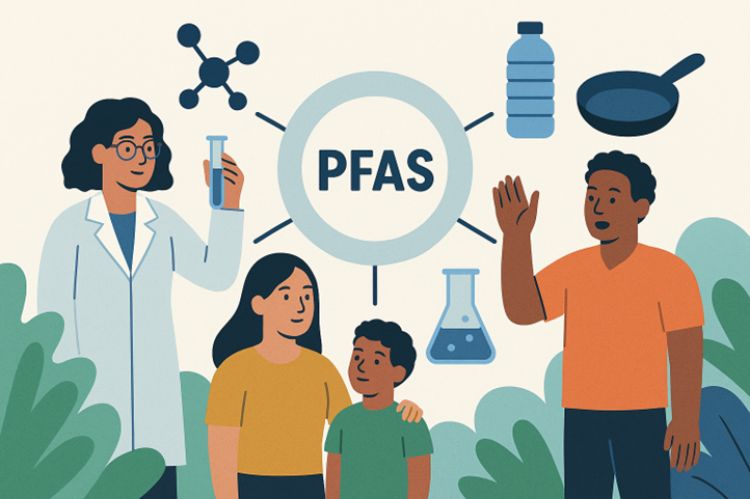
What are PFAS? PFAS has become the term that people use to describe Per- and polyfluoroalkyl substances. According to the United States Department of Agriculture (USDA), these substances are made of a diverse group of thousands of chemicals that can be found in hundreds of products. PFAS are a class of chemicals that includes compounds like Perfluorooctanoic acid and perfluorooctane sulfonate, also known as PFOA and PFOS, and because of their structure, are very good at resisting grease, oil, water and heat. This makes them very useful, but according to the US Environmental Protection Agency (EPA), it also gives them the ability to persist in the environment, move through aquifers and pose health risks.
When thinking about how PFAS affects us, most people want to know what impact they have on our health. PFAS compounds are linked to a range of medical concerns and health issues. These PFAS and health issues have been found to include:
- Reproductive health impacts: May include reduced fertility and elevated blood pressure during pregnancy.
- Developmental concerns in children: Such as low birth weight, early onset of puberty, skeletal changes and behavioral shifts.
- Cancer risks: Increased likelihood of developing prostate, kidney or testicular cancers.
- Immune system suppression: Can weaken the body’s ability to fight infections and reduce the vaccine efficacy.
- Hormonal disruption: Interferes with the body’s endocrine system, affecting natural hormone regulation.
- Metabolic effects: Linked to higher cholesterol levels and a greater risk of obesity.
Where do they come from? PFAS compounds can be found in contaminated food, air, soil, and water, including drinking water, as well as in many products we commonly use. Environmental contamination generally occurs when industries that use PFAS dispose of waste inappropriately.
Consumer products that may contain PFAS include nonstick cookware, water-resistant fabrics, grease-resistant paper, cleaning products, personal care products, stain-resistant coatings and others.
What can we do to protect ourselves, our families, and our environment from the risks associated with PFAS? Investigate your water source. If you rely on a municipal water supply, your water should already be tested for pfas contamination. If you have a private well, consider having your drinking water tested. If that is not an option, use water filters that are certified to remove PFAS.
Follow fish consumption guidelines, especially in areas with known contamination. Choose PFAS-free household products, cookware, and personal care items, such as cast-iron cookware. Avoid stain-resistant, water-repellent and grease-proof products, which often contain PFAS.
Support legislation and community efforts aimed at regulating PFAS use and cleaning up contaminated sites, and finally, educate others about PFAS risks and encourage them to make safer consumer choices.
For answers to your safe food and water questions, call MSU Extension's Food Safety Hotline at 1-877-643-9882. For more information on food safety, visit MSU Extension's Safe Food & Water website.