


News
-
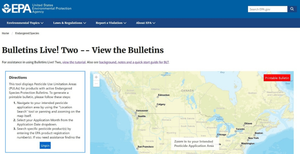
Bulletins Live! Two Tracker Report available now
Published on October 23, 2026
To raise awareness of pesticides currently impacted by the new EPA Bulletins Live! Two pesticide label directive, Michigan State University Extension will be generating a Bulletins Live! Two Tracker Report twice a month. -
EPA launches email newsletter to track changes to Bulletins Live! Two
Published on October 7, 2026
Pesticide users are encouraged to sign up for this service to help track any changes to federal regulations that may impact pesticide use. -
Four NCR-SARE grant opportunities to fund farmers, educators and researchers are open for applications
Published on October 5, 2026
Apply by December 3 for Farmer Rancher, Youth Educator, Partnership and Research and Education grants. -
Earn RUP and CCA credits through 2026-2027 MSU Pesticide Safety Webinar Series: The RUP/CCA Credit Clinic
Published on October 5, 2026
The series includes 10 webinars covering pesticide safety and application topics. Pesticide and education credits are available for participants in Michigan and participating New England states. Registration is now open. -
Registration now open for MSU Christmas Tree Root Rot Workshop
Published on September 28, 2026
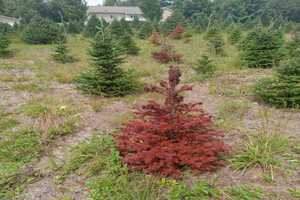
Learn more about root rot pathogens in Christmas tree production with Dr. Pratima Devkota at this in-person, hands-on event. -
Tough weeds? No effective herbicide options? Let us know!
Published on September 15, 2026
Christmas tree growers’ input can influence future herbicide labeling decisions. -
Registration is open for the ‘Dirty Work Field Day’ on Managing Invasives and Solving Site Challenges
Published on September 15, 2026
Geared toward professional landscapers and nursery operators, this hands-on field day will prepare you for what’s to come with new invasive species and regulations. Plus, you can earn pesticide applicator credits at the same time. -
New to Agriculture? We’ve got a guide for you!
Published on September 10, 2026
The Beginning Farmer Resource and Decision-Making Guide is now available from Michigan State University Extension and the U.S. Department of Agriculture. -
Spotted lanternfly is spreading in Michigan, and MSU Extension is helping Michiganders prepare
Published on September 10, 2026
From homemade traps and community workshops to preparing growers, MSU Extension is helping Michiganders respond to spotted lanternfly and slow its spread. -
Propagate, scout, protect! Join MSU Extension for Improving Nursery Production Webinar Series this September
Published on August 28, 2026
This three-part nursery webinar series will cover improving propagation and insect and disease management in nurseries.






 Print
Print Email
Email