Registration is open for the ‘Dirty Work Field Day’ on Managing Invasives and Solving Site Challenges
 Print
Print Email
EmailGeared toward professional landscapers and nursery operators, this hands-on field day will prepare you for what’s to come with new invasive species and regulations. Plus, you can earn pesticide applicator credits at the same time.
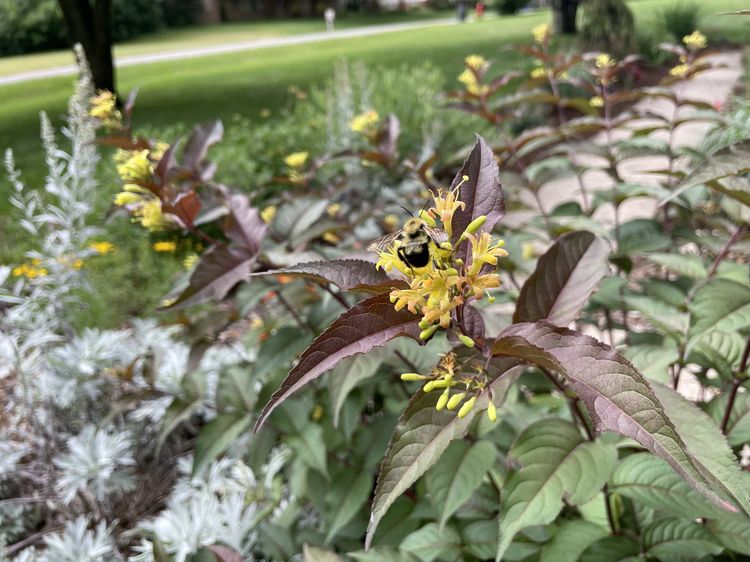
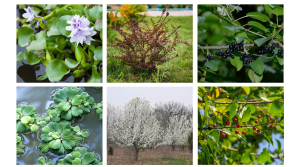
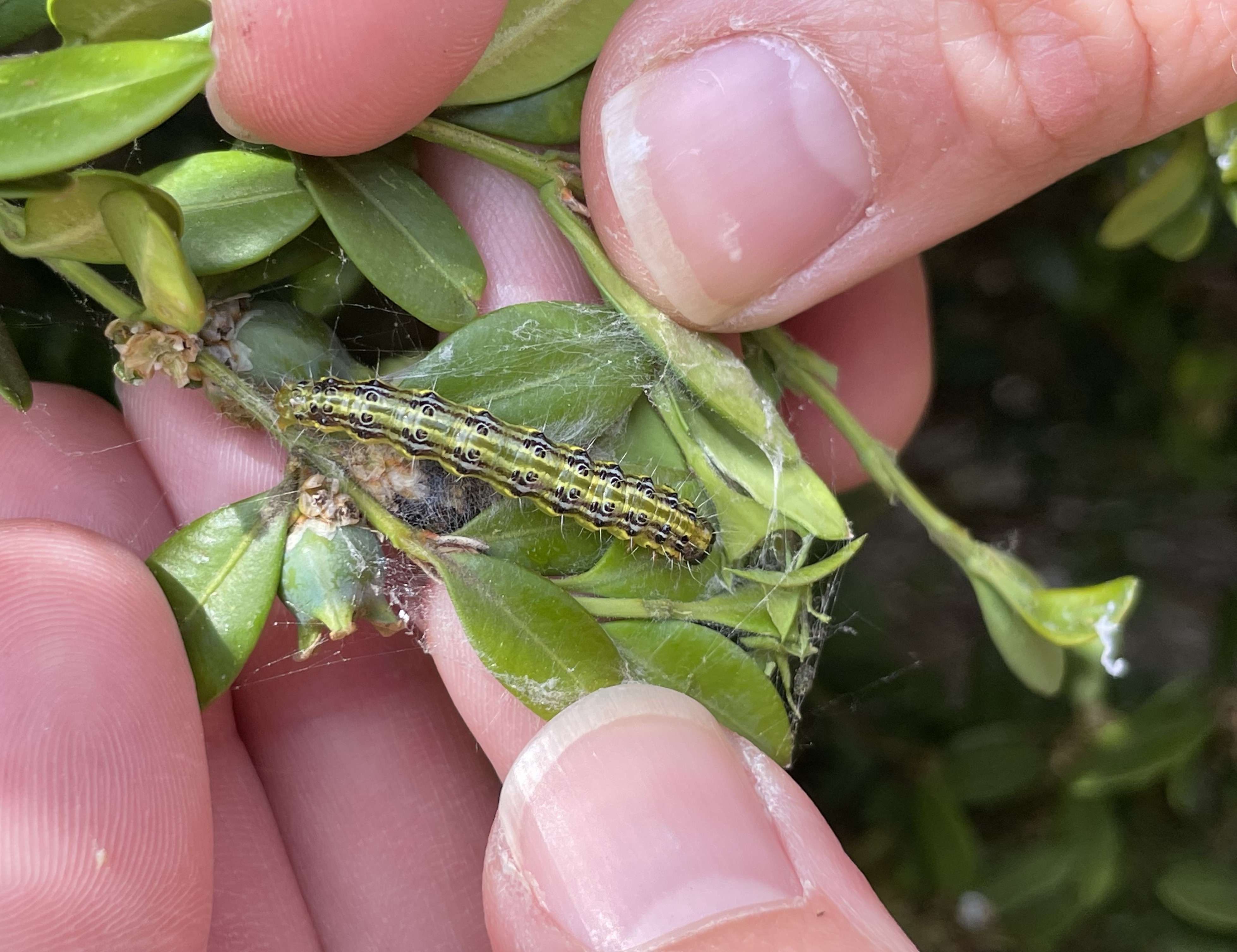
Managing invasive plants and pests is rarely straightforward. In southeast Michigan, recent invasive pest species like box tree moth and spotted lanternfly continue to impact the landscape by damaging susceptible host plants. The impact they have will likely change the plants that are carried at nurseries and ultimately planted into our landscapes. Regulations can also change, as we’ve seen with the four newly-regulated woody plant species, Common buckthorn (Rhamnus cathartica), Glossy buckthorn (Frangula alnus), Callery pear (Pyrus calleryana) and Japanese barberry (Berberis thunbergii). Figuring out the right management strategy for invasive pests and weeds often depends on timing, site conditions, and available resources. This workshop is designed to provide practical, research-based information that participants can immediately apply on the job.
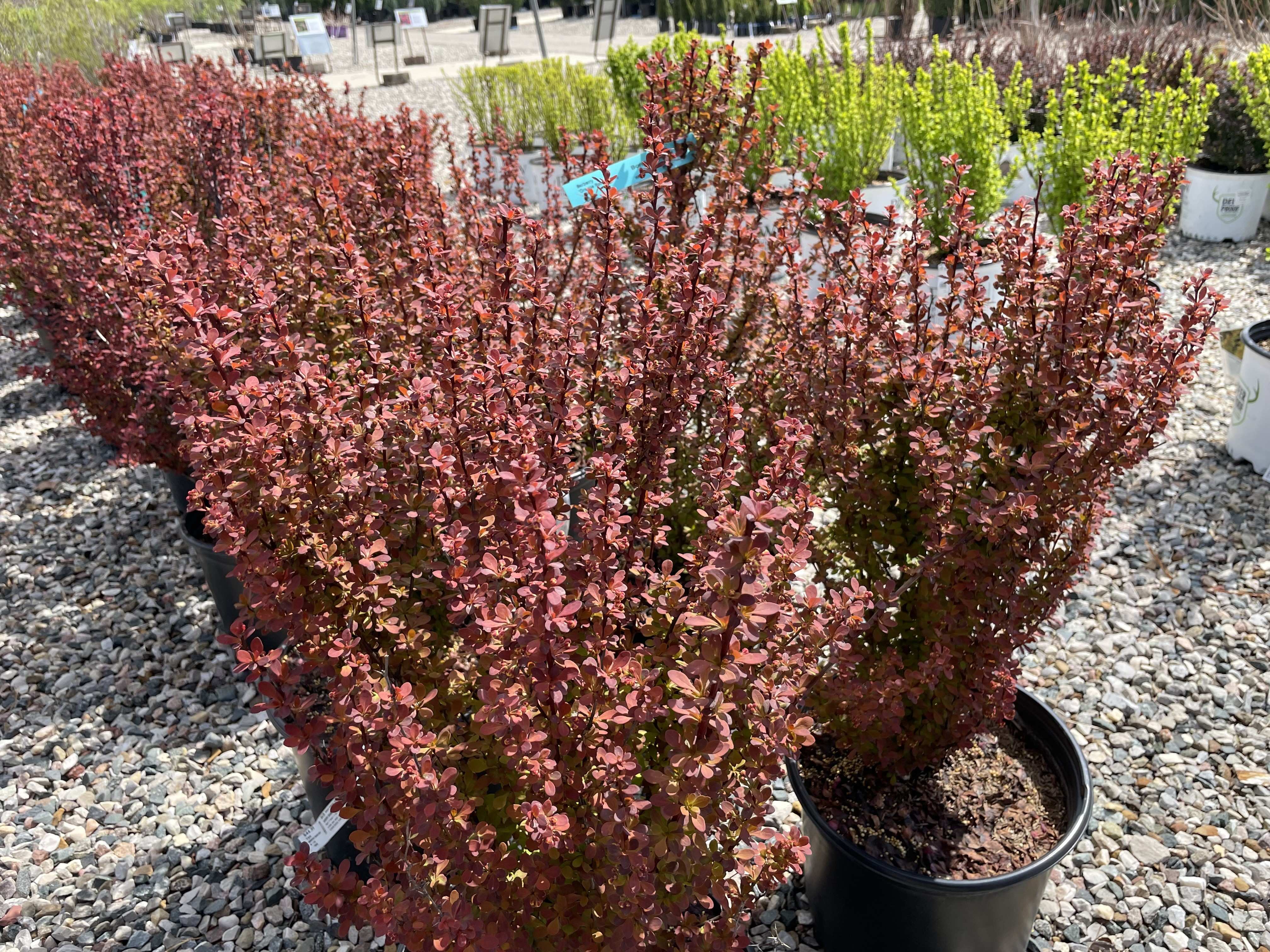
Landscape professionals, nursery operators, pesticide applicators, and natural resource managers are invited to join Michigan State University Extension and Oakland County Parks for The Dirty Work Field Day: Managing Invasives and Solving Site Challenges on Oct. 6, 2026, at the Lyon Oaks Event Center and Park in Wixom, Michigan. This free educational program combines classroom instruction with hands-on field demonstrations to help participants improve invasive species management, pesticide application practices, and plant identification skills. Additionally, participants will gain insights into what native species and cultivars are most appropriate for the replacement of invasive species.
Hosted in partnership with Oakland County Parks and supported by the National Recreation and Park (NRPA) Sustainability in Practice program, the program will focus on invasive species treatments in natural areas, management of invasive pests relevant to the nursery and landscape industries, including box tree moth, and newly listed invasive woody plants in Michigan. Participants attending the full in-person program will earn six MDARD pesticide applicator continuing education credits and receive two alternative landscape shrubs to trial at home.
Event details
Date: Tuesday, Oct. 6, 2026
Location: Lyon Oaks Event Center and Park, 52221 Pontiac Trail, Wixom, MI 48393
Virtual option: Morning sessions only via Zoom
RUP Credits: Categories 2, 3B, 6, 7A, Private or Commercial Core
Cost: Free to attend
What participants will learn
The morning session, available both in person and virtually, will cover pesticide selection, invasive species treatment strategies, new invasive species regulations, and techniques for monitoring and evaluating management programs.
Afternoon sessions, available exclusively to in-person attendees, will focus on hands-on demonstrations and field activities. Participants will gain experience with pesticide application equipment, spill kits, herbicide backpack sprayers, dauber applicators, tree lances, stem injections, and invasive species identification in a natural setting. Plus, we’ll end the day going over landscape alternatives to invasive species and distribute alternative shrub options for participants to trial at home.
Featured presentations include:
- Everything's a Nail When You're a Hammer: Sizing the Right Tools for the Job with Patrick Canniff, Oakland County CISMA Coordinator, covering herbicide selection, treatment timing, and management of woody and herbaceous invasive plants.
- Box Tree Moth Update Plus Newly Listed Restricted Species for Michigan presented by Amy Kennedy, Plant Health Inspector with MDARD, who will discuss Michigan's boxwood quarantine, movement and disposal requirements, and emerging invasive species concerns.
- IPM Tools for Maintaining Boxwood in the Quarantine Zone, where Caitlin Splawski, Michigan State University Extension Educator, will share management strategies for box tree moth and practices that can help slow its spread.
- A guided Invasive Plant Identification Hike that will help participants strengthen one of the most important skills in integrated pest management: accurate plant identification.
- Safety First! Using Application Equipment Appropriately, led by Lindsey Sculphom from Oakland County Parks, covering safe use of pesticide application equipment, personal protective equipment, and spill response supplies.
- Effective Treatment Techniques: Proper Application and Disposal, featuring demonstrations of spray-and-cut stump methods, tree lance applications, stem injections, and invasive plant disposal practices.
- Landscape Alternatives to Aggressive and Challenging Species, highlighting replacement options for commonly used landscape plants affected by invasive pests or regulatory restrictions.
Throughout the day, attendees will have opportunities to network with fellow industry professionals while learning from experts working directly with invasive species management across Michigan.
Registration
This event is free to attend. However, spaces are limited so advance registration is required. Participants seeking continuing education credits from MDARD must attend the full session(s) to receive credit. The full-day in-person program is worth six credits, while the morning-only virtual option is worth three credits.
For additional information, contact Caitlin Splawski at splawski@msu.edu or Patrick Canniff at canniffp@oakgov.com.