Community Voice: Dr. J. Mark Scriber
 Print
Print Email
EmailChairperson Emeritus Dr. J. Mark Scriber shares what inspired him and his wife, Kathy, to make their most recent gift in support of the MSU Department of Entomology.
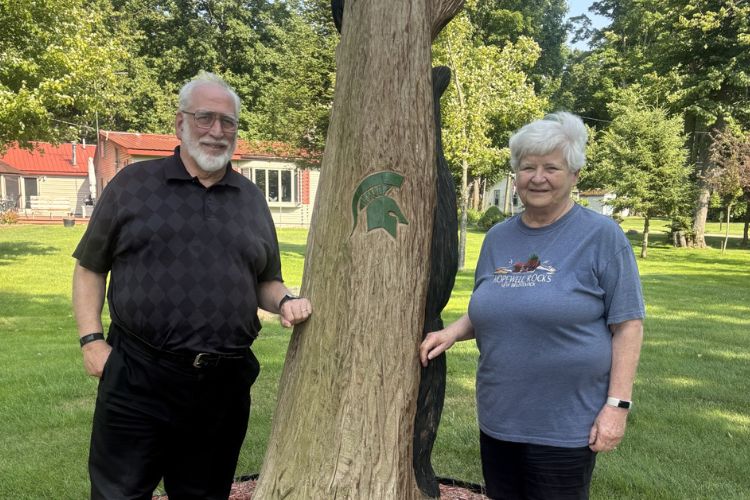
For more than four decades, Dr. J. Mark and Kathy Scriber have been dedicated members of the Michigan State University community. From 1986-1997, Dr. Scriber served as Chairperson of the MSU Department of Entomology.
Dr. Scriber completed his undergraduate, graduate and post-doctoral training at Cornell University from 1966-76 and then spent nine years as a professor at the University of Wisconsin-Madison before coming to MSU in 1986. His research specialized in the ecological genetics and evolutionary ecology of swallowtail butterflies.
In 2002, he and Kathy established the Scriber Scholars in Butterfly Conservation and Biology Endowment, supporting student butterflies and moth research. Recognizing that graduate students often face funding gaps during the summer months, they recently established the Scriber Entomology Summer Program Support Fund. This expendable fund will provide programmatic support for graduate students, helping them continue their research, professional development and academic progress throughout the summer.
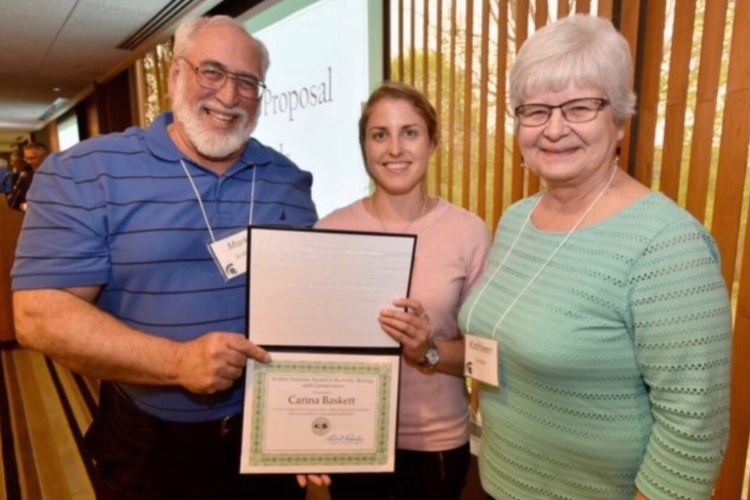
In this Community Voice article, Dr. Scriber recounts his journey to the MSU Department of Entomology and explains why he and Kathy are committed to creating opportunities for future generations of students and researchers.
Michigan State University is characterized by a family atmosphere and abundant interdisciplinary cooperation. It is internationally recognized for its research excellence, outreach mission and faculty expertise. These core strengths were all key factors in my decision to leave the University of Wisconsin-Madison and come to East Lansing to serve as Chairperson of the MSU Department of Entomology in 1986.
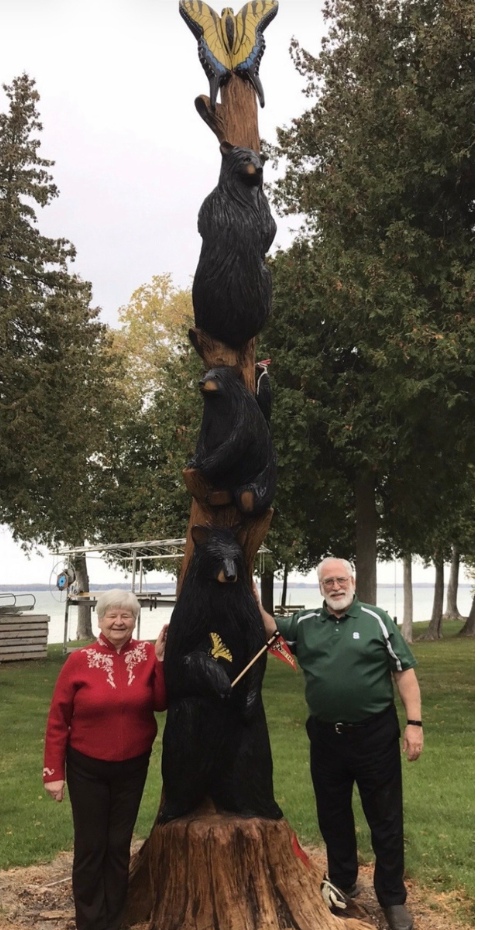
This department has been so proud of our students that we have developed many annual awards and scholarships to enhance their success and impact. Kathy and I wanted to assist in this effort and decided to establish an endowment in 2002 for research in butterfly and moth biology or conservation. We also recently added another expendable financial award for students during their otherwise unfunded summer research period.
The inspiration for these decisions was enhanced by the generous donations and various endowments for the Entomology Department that had already been made by many previous alums and faculty members, all of whom also clearly share fond memories and great pride in our accomplishments over the past few decades.
For nearly 60 years, MSU's Department of Entomology has been recognized among the nation's leading programs, known for its global leadership and collaborative, multidisciplinary approach to research, teaching and outreach. Areas of expertise include integrated pest management, sustainable agricultural, forest and aquatic systems, medical and veterinary entomology, nematology, urban and rural pest management, and ecology and evolutionary biology.
Kathy and I wanted to help maintain and support such endeavors financially and academically. The department also started the Bug House immediately after my arrival as Chairperson. This important public science education effort has reached thousands of students (and their parents). Since then, more than 350 butterfly houses and insect zoos have been developed internationally, creating jobs and management opportunities for our students. Such good will and positive support for butterflies and pollinating insects is needed as much as pest insect management!
My connection to MSU began long before I joined the faculty. Early research conducted here helped reveal how insecticides such as DDT could accumulate through food chains and harm non-target species, findings that inspired Rachel Carson's Silent Spring and, ultimately, my own interest in insect ecology.
In 1964, a high school English teacher encouraged me to read Carson's book. The following year, a biology teacher nominated me for an NSF-sponsored field ecology program, an experience that solidified my career path. I went on to earn my B.S. and Ph.D. from Cornell University and later worked with the Rockefeller Foundation's Conquest of Hunger Program, helping identify insect-resistant maize varieties as alternatives to pesticide use.
Throughout my career, I valued the balance between basic and applied research. That philosophy aligned perfectly with MSU's Department of Entomology, one of the university's most interdisciplinary academic units. As chairperson, I worked to support a wide range of research, teaching and outreach efforts while fostering connections across various scientific disciplines.
Among my greatest sources of pride are the students and colleagues whose careers flourished at MSU. Laura (Haas) Comilla, a former undergraduate researcher, went on to a distinguished industry career. In 1997 she was selected by her peers to be the Lyman Briggs College Graduation student speaker and in 2019 she returned as the keynote speaker. Her remarks about the mentoring she received in the Entomology Department brought tears to my eyes!
 Comilla_Scriber.png?language_id=1)
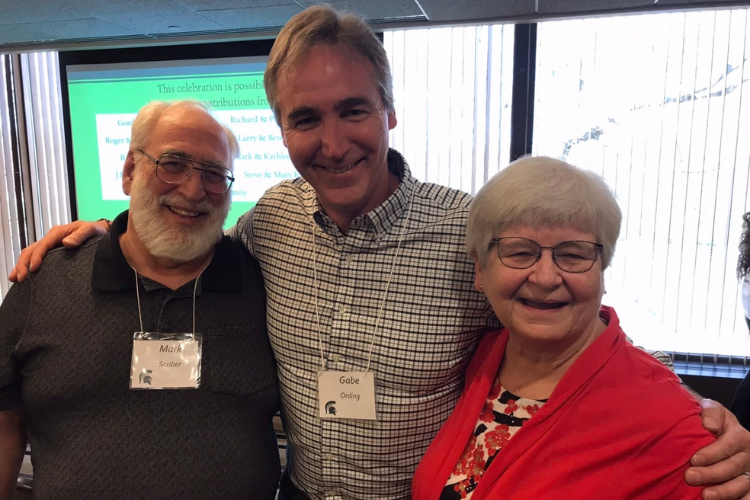
Gabriel Ording was a high school teacher before he started working with me as a grad student researching evolutionary ecology and hybrid speciation in tiger swallowtail butterflies. Since then, he’s gone on to become a tenured faculty member here at MSU. He’s mentored student groups engaged in international services, including malaria and poverty initiatives in Africa, and serves as the director of the Center for Integrated Studies in General Sciences. He recently led a very large grant called the Spartan Teacher Promise to help address science teacher shortages in Michigan and received the 2026 President's Distinguished Teaching Award from MSU President Kevin Guskiewicz.
A third example is Karim Maredia, whom I recruited to join MSU Entomology as a postdoctoral researcher in 1989 through our Long-Term Ecological Research program at Kellogg Biological Station. He went on to lead integrated pest management initiatives around the world and today serves as assistant dean and director of CANR International Programs, as well as director of the MSU World Technology Access Program. Through partnerships supported by organizations including USDA, USAID, the World Bank, the Rockefeller Foundation and the Gates Foundation, Karim has brought together scientists, policymakers and leaders from around the globe to share MSU expertise and address critical agricultural challenges.
These stories demonstrate what makes MSU's Department of Entomology so special. I can't imagine a better place to have spent my professional career. Kathy and I are proud to support the department that’s nurtured so many and to help ensure future generations of students enjoy the sense of community that enriched our own lives. We are Spartans forever!