Featured Five 2026: Favorites from Raker-Roberta’s Trial Gardens
 Print
Print Email
EmailAre you seeking proven performers for the season ahead? Check out Part 6 of our series highlighting top picks from the 2026 Michigan Garden Plant Tour trial sites.

Each year, Michigan State University collaborates with Michigan’s leading young plant producers to host a complimentary open house at their trial sites and display gardens. This event offers growers, landscapers, and retail professionals a valuable opportunity to explore a diverse array of ornamental crops and assess their performance in both in-ground and container settings.
The 2026 Michigan Garden Plant Tour ran from July 27 to August 7, showcasing the latest innovations and standout varieties across multiple locations. Parts 1-5 of this series covered Michigan State University Extension’s top picks from the trial garden at DGI Propagators, Proven Winners Carleton, Michigan State University Trial Gardens, Mast Young Plants, and Pell Greenhouses. Part 6 will feature the favorites from Raker-Roberta’s Young Plants.
Featured Five at Raker-Roberta’s Trial Gardens
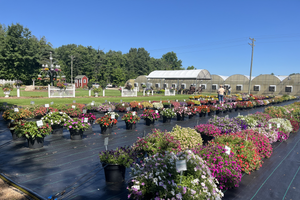
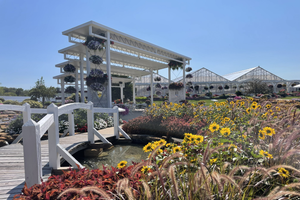
Every year, Raker-Roberta’s trial gardens expand. Now with over 8 acres and 100,000 unique plant varieties, the trial gardens at Raker-Roberta’s Young Plants are not to be missed. Six hundred raised-bed rows contain in-ground trials of annuals, perennials and specialty cut flowers. There are 400 hanging baskets overflowing with trailing plants, new introductions and breeder’s top picks (Photo 1) and 415 20-inch containers of sun and shade plants displayed by Raker’s.
There’s also a wide array of beds, containers and hangers sponsored by other horticultural breeders, including displays of All-American Selections (AAS). Landscape display beds round out the trial gardens giving you a sense of real-world applications for new varieties on the market.
This year's standouts represented a diverse mix of annuals, an aromatic herb, an ornamental grass and a flowering vine. The following selections caught my attention for their garden performance, unique characteristics and retail appeal:
- Thunbergia 'TowerPower Orange' - Westhoff
- Lantana ‘Little Lucky Peach Glow 27’ and ‘Little Lucky Yellow’- Ball FloraPlant
- Rosemary ‘Blue Cascade’ – Darwin Perennials
- Bouteloua gracilis 'Mozzie' - Benary
- Petunia 'Surfinia Sky Blue Improved' - Suntory Flowers
Thunbergia ‘TowerPower Orange’

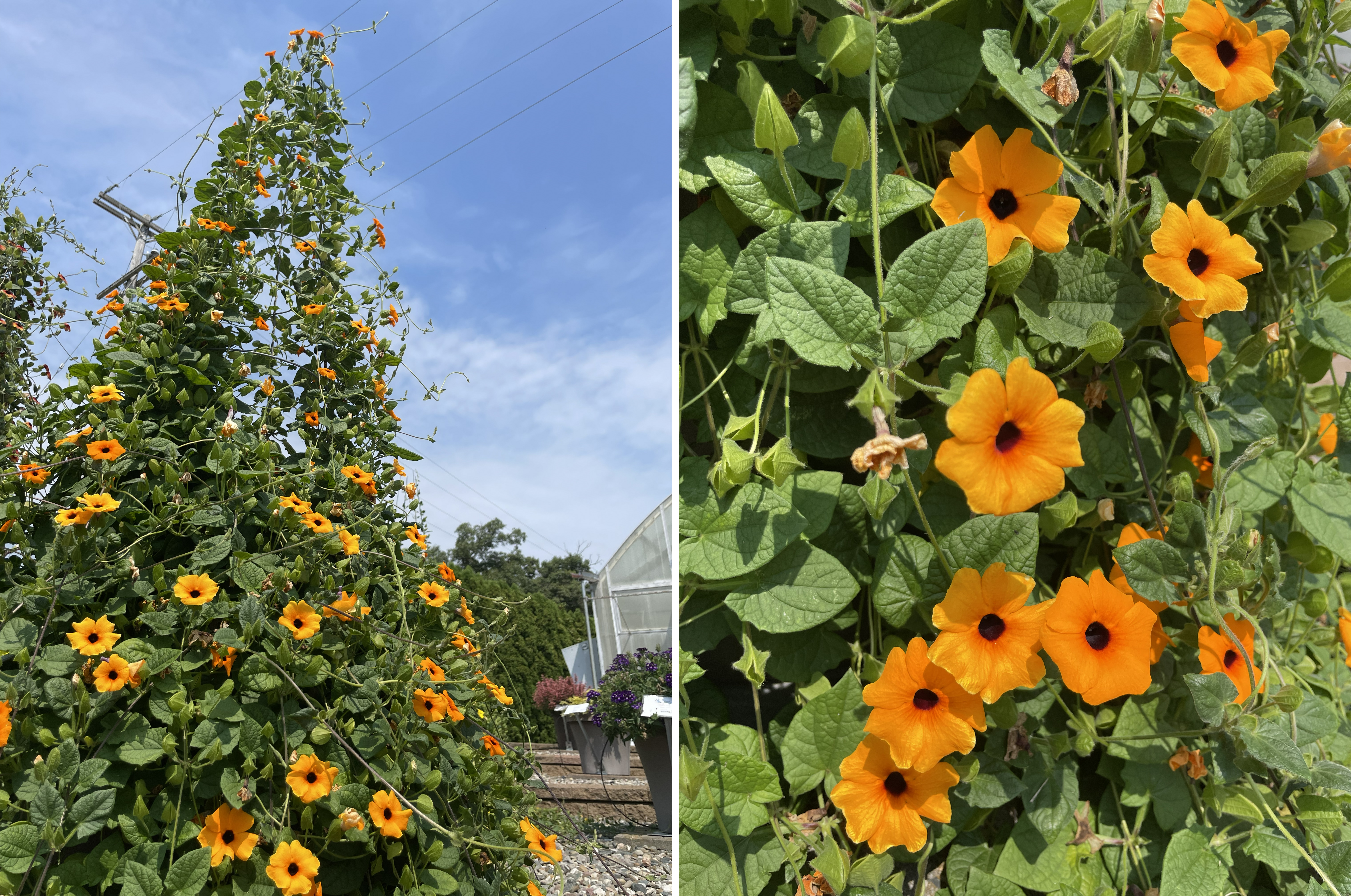
It was hard to miss the eye-catching black-eyed Susan vines at the end of the sun showcase containers. Thunbergia ‘TowerPower Orange’ was full of brilliant orange blooms, that delivered outstanding vertical color. Whether trained up a trellis, obelisk, or patio support, the dense foliage and continuous flowering habit create an impressive display.
Its strong climbing nature and abundant blooms make it an excellent option for gardeners looking to add height and drama to containers and landscape plantings alike.
Lantana ‘Little Lucky Peach Glow 27’ and ‘Little Lucky Yellow’
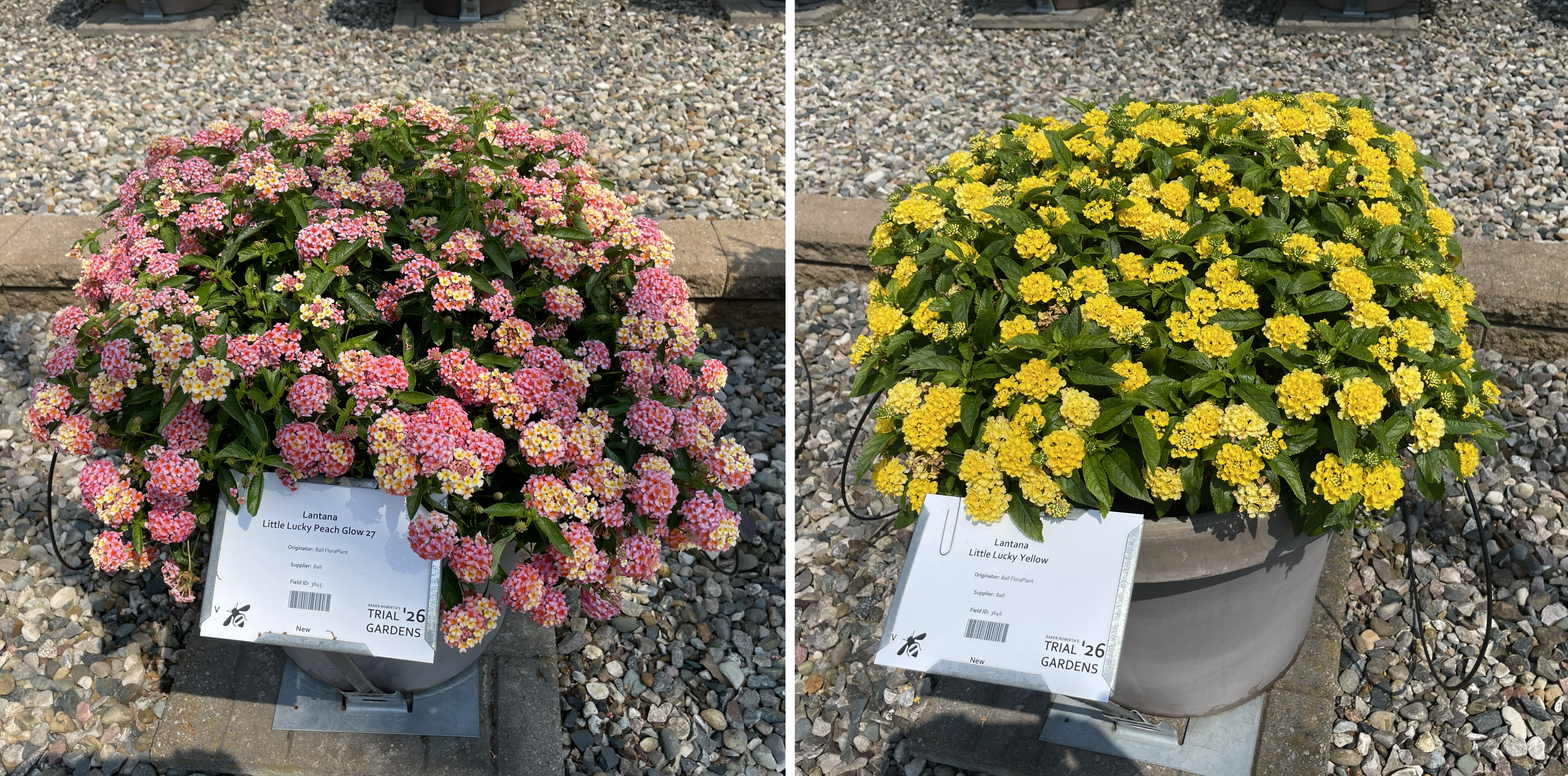
The Little Lucky Lantana series from Ball FloraPlant continues to impress, and both ‘Peach Glow 27’ and ‘Yellow’ were standouts in this year’s trials. These compact, mounded lantanas offer exceptional uniformity across the series, making them attractive choices for both growers and gardeners.
‘Peach Glow 27’ features warm shades of peach, apricot and yellow that seem to glow in the landscape, while ‘Yellow’ provides a cheerful burst of solid color. The series flowers up to three weeks earlier than many compact lantanas and continues blooming throughout the summer with excellent flower coverage and minimal maintenance.
Their naturally compact habit means no need for plant growth regulator applications and minimal pinching. Plus, their heat tolerance and pollinator appeal make them ideal for containers, borders, and mass plantings.
Rosemary ‘Blue Cascade’
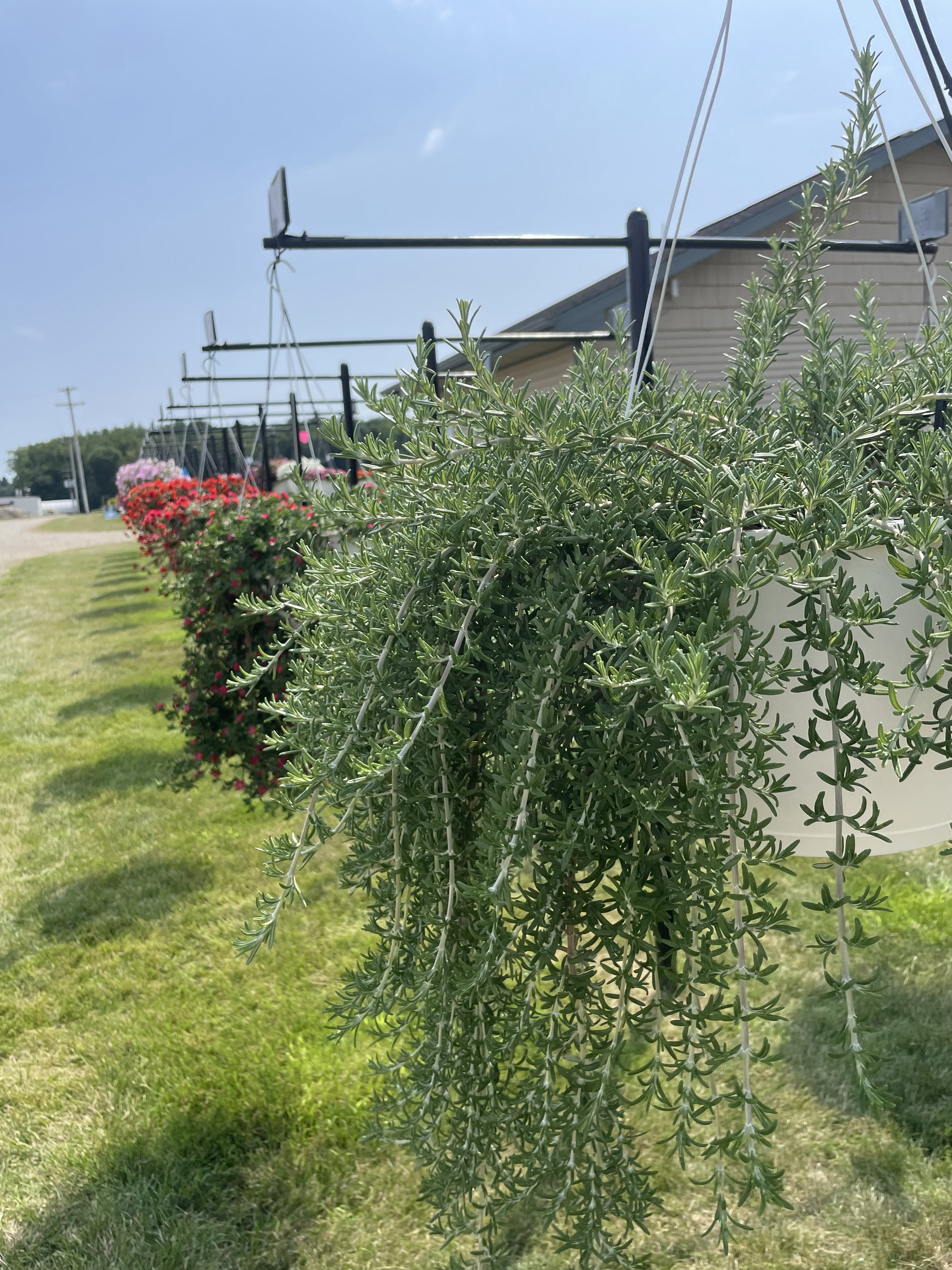
Some plants earn attention with their flowers, while others stand out through fragrance and form. Rosemary ‘Blue Cascade’ from Darwin Perennials did both. Used as a spiller throughout Darwin Perennials' Cultivate'26 displays, its cascading stems created dramatic texture while releasing the unmistakable fragrance of fresh rosemary as visitors passed by.
The same fragrant foliage caught my attention walking through the hanging basket displays. The trailing habit offers an alternative to traditional upright rosemary varieties, making it especially well-suited for hanging baskets, mixed containers and raised planters.
Beyond its ornamental appeal, gardeners can also enjoy its flavorful foliage for culinary use, making this selection both beautiful and practical.
Bouteloua gracilis ‘Mozzie’
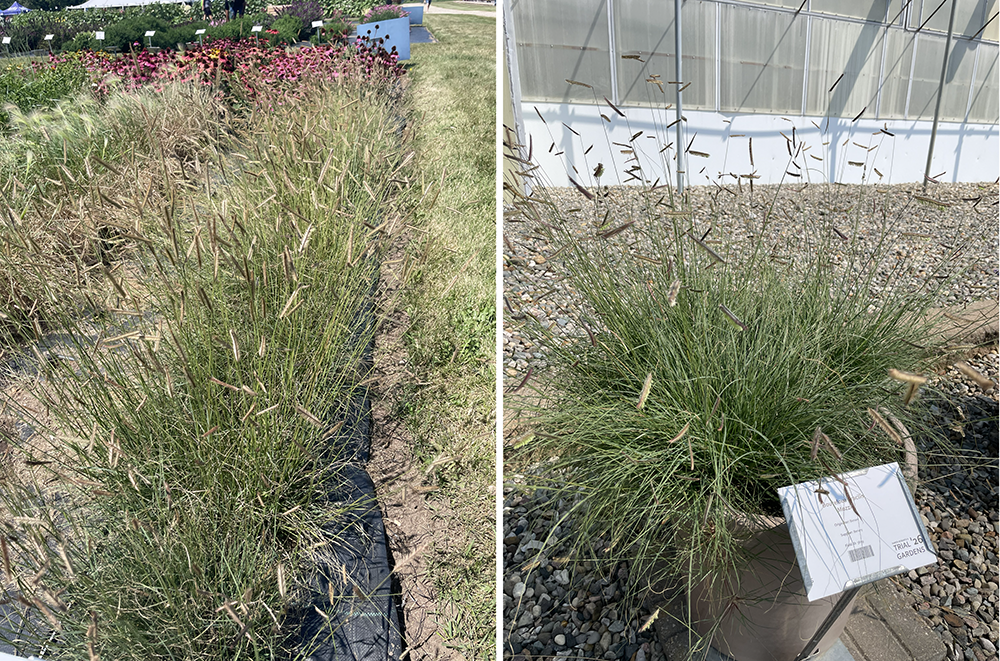
Among the ornamental grasses on display, ‘Mozzie’ from Benary stood out thanks to its unique texture and movement. This finely textured blue grama or mosquito grass features blue-green foliage topped with delicate mosquito larvae-like flower spikes that hovered above the plant.
A perennial (hardiness zones 3-10) with first-year flowering and seed head retention, ‘Mozzie’ offers season-long interest while remaining remarkably adaptable. Its versatility allows it to shine in mixed containers, landscape plantings and naturalistic garden designs.
The combination of drought tolerance, graceful architecture and unusual blooms makes this one of the most exciting grass introductions featured in the trials.
Petunia ‘Surfinia Sky Blue Improved’
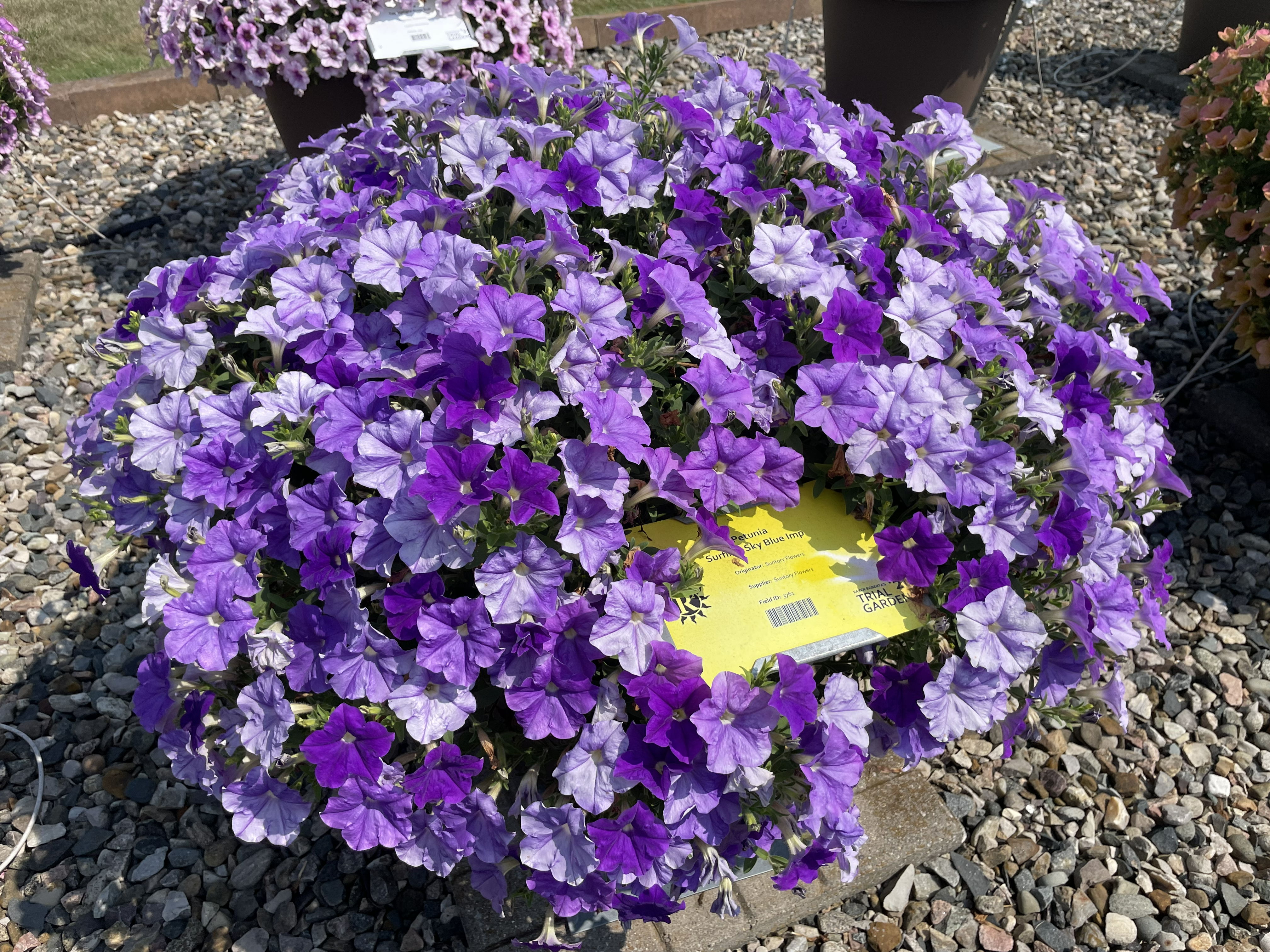
No trip through the trial gardens would be complete without a standout petunia, and ‘Surfinia Sky Blue Improved’ from Suntory Flowers certainly earned that distinction. This updated selection brings even greater flower power to the renowned Surfinia series, featuring a higher flower count, denser plant centers and saturated sky-blue blooms highlighted by crisp white throats. The vigorous trailing habit quickly fills hanging baskets and containers, creating a waterfall of color throughout the growing season.
Like other Surfinia selections, it demonstrated excellent weather tolerance, self-cleaning flowers, and nonstop performance despite challenging summer conditions. The result is a petunia with flowers with color variation that looks just as impressive in the landscape as it does in retail displays.
Not new, but still awesome cultivars
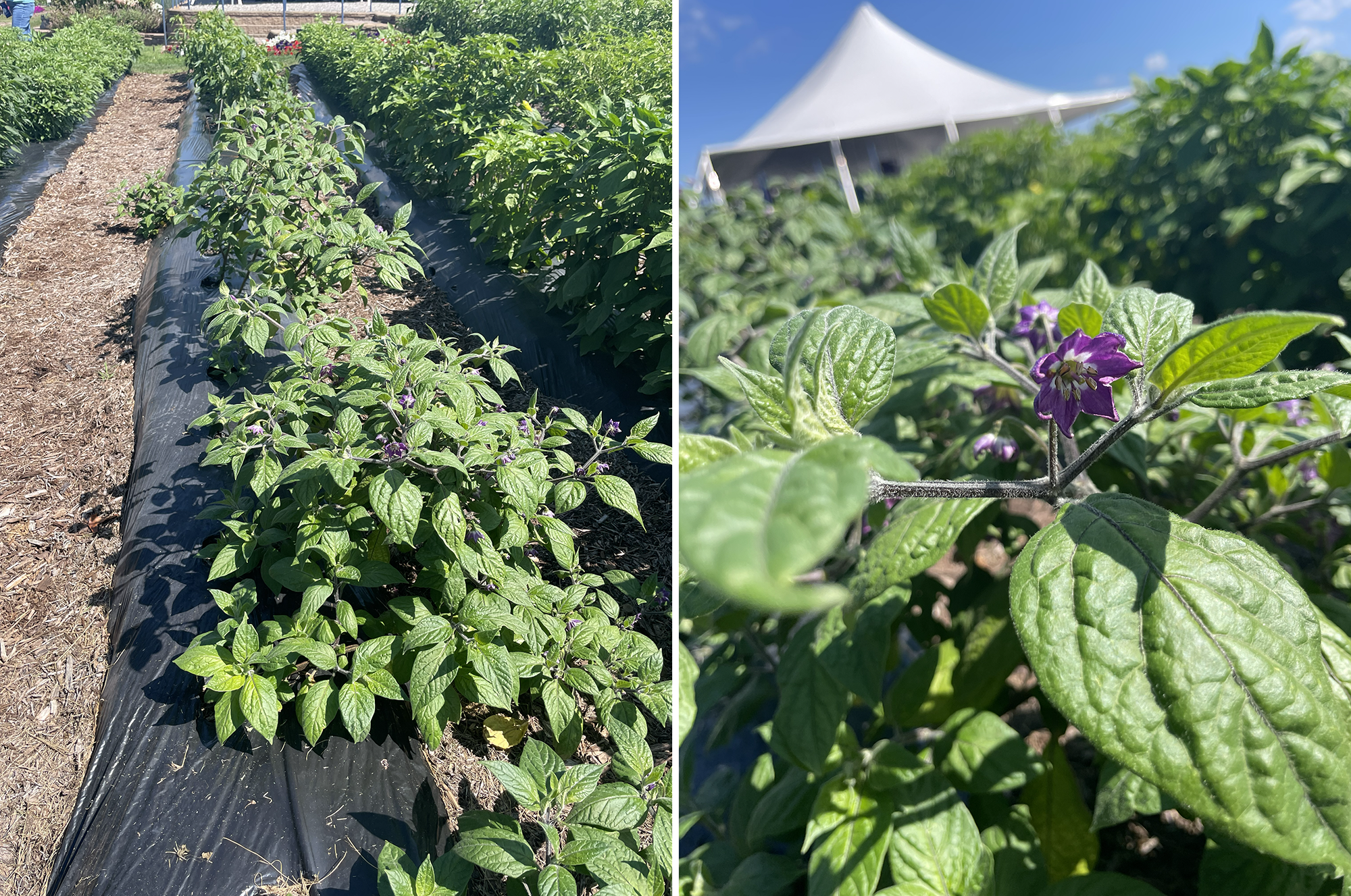
2026 was the National Garden Bureau’s ‘Year of the Hot Pepper’, and as such Raker-Roberta’s dedicated several rows of trial beds to new cultivars of hot peppers. Everything from mild to super-hot, unique novelties to updated classics were on display this year. One that looked really interesting to me was the Red Manzano Pepper, which originates from Colombia. They are supposed to have a moderately spicy flavor that’s slightly hotter than a jalapeño, finishing with fruity top notes. Sounds delightful!
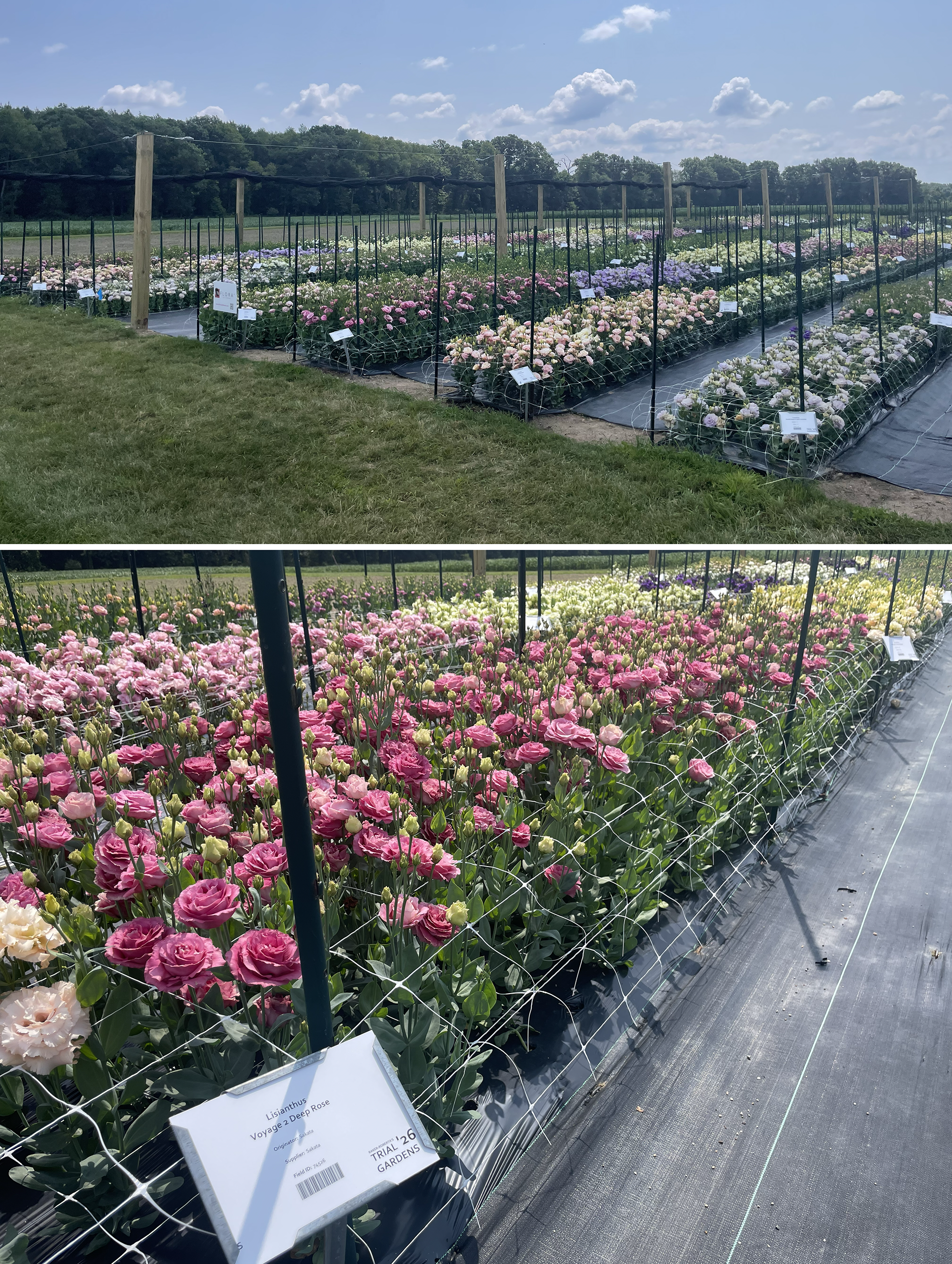
One last highlight of the Raker-Roberta trial gardens for the past several years has been their cut flower showcase. Local cut flowers have been gaining popularity in the U.S. market, as consumers look for local product with longer shelf-lives and a reduced environmental footprint than offshore cut flowers.
This year, in addition to their normal line-up of specialty cut flowers, they had a Lisianthus shade trial comparison. For this trial, they compared Lisianthus varieties grown under 30% shade for 4 weeks to Lisianthus grown under full sun for their entire crop cycle. They were looking to see if there may be a benefit to the shade in terms of greater stem length, better uniformity and overall quality.
To read more about the UGA Durham Horticulture Farm study that inspired this trial, check out the Grower Talks article “Maximize your Lisianthus.”
Check out the other articles in our series for more favorites of 2026:
- Part 1: Featured Five 2026: Favorites from DGI Propagators Trial Gardens
- Part 2: Featured Five 2026: Favorites from Proven Winners Carleton
- Part 3: Featured Five 2026: Favorites from Mast Young Plants
- Part 4: Featured Five 2026: Favorites from MSU Trial Gardens
- Part 5: Featured Five 2026: Favorites from Pell Greenhouses
- Part 6: Featured Five 2026: Favorites from Raker-Roberta’s Young Plants
- Part 7: Featured Five 2026: Favorites from Walters Gardens
- Part 8: Let’s Play Nice and Shine: Twelve Stellar Compatible Combinations