Let’s play nice and shine: Twelve stellar compatible combinations
 Print
Print Email
EmailAre you seeking proven performers for the season ahead? Planting the perfect combination basket or container is both an art and a science. Consider color combinations, plant vigor and habit when planting combination containers.
Each year, Michigan State University collaborates with Michigan’s leading young plant producers to host a complimentary open house at their trial sites and display gardens. This event offers growers, landscapers and retail professionals a valuable opportunity to explore a diverse array of ornamental crops and assess their performance in both in-ground and container settings.
The 2026 Michigan Garden Plant Tour ran from July 27 to August 7, showcasing the latest innovations and standout varieties across multiple locations. Parts 1-7 of this series covered Michigan State University Extension’s top five favorites from all of the 2026 trials sites. This article covers the principles to developing plant combination planters and some stellar combinations seen on the plant tour.
Consider the principles of design
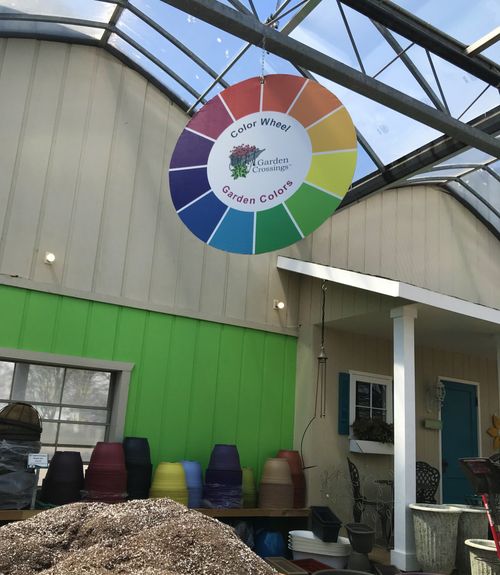
First, growers designing their own combinations should consider the principles of design. The color wheel is a design tool that organizes colors according to their relationships with each other showing primary and secondary colors (Photo 1).
To get something to stand out, use contrasting colors or those across from one another on the color wheel: red + green, blue + orange, and yellow + purple.
If you are looking for a more unified or harmonious look, consider mixing colors next to each other on the color wheel: pink + purple or red + orange. Likewise, consider warm colors (orange, red, yellow) versus cool colors (blue, green, purple).
Consider plant habit and vigor
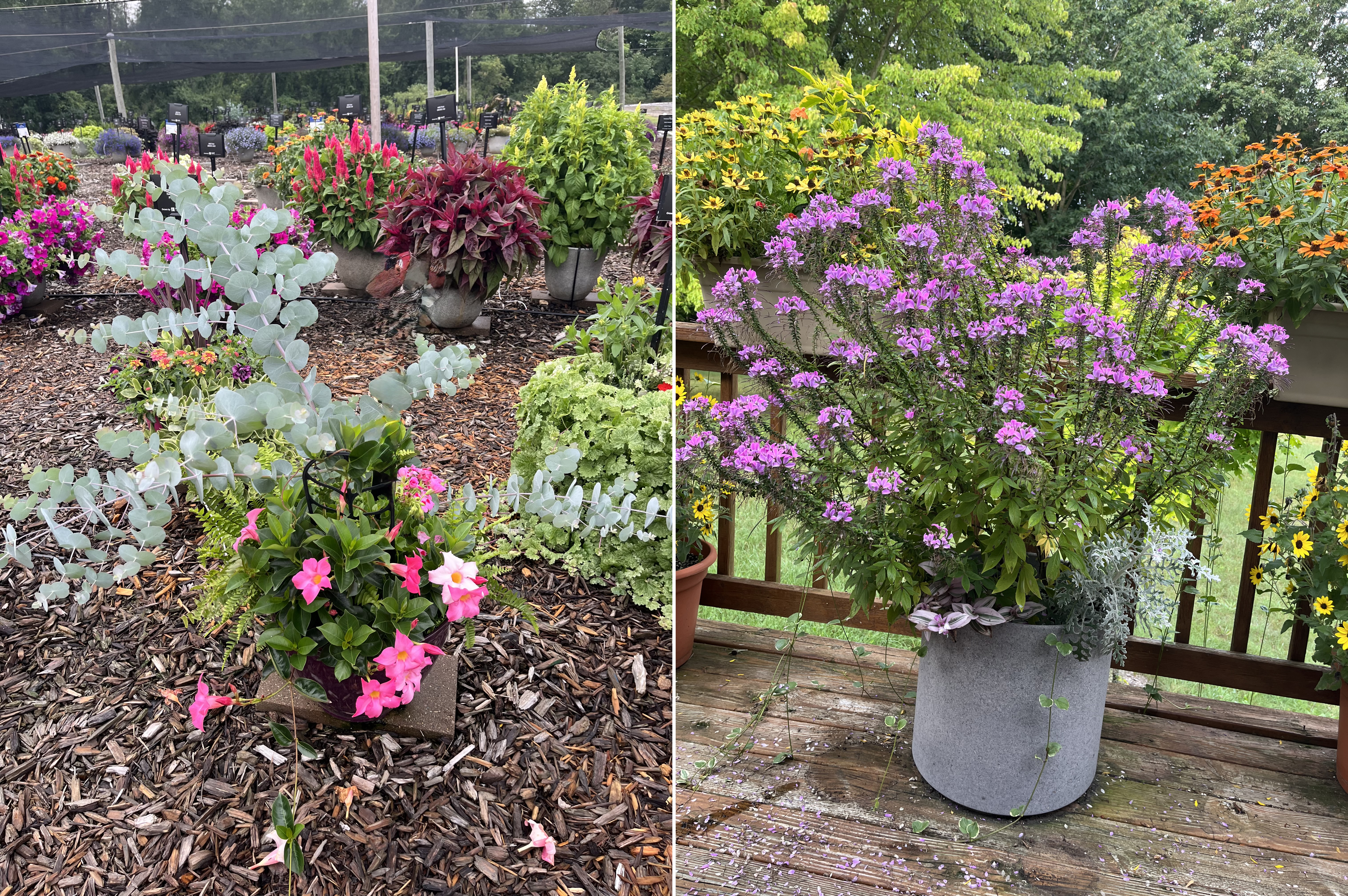
Growers should also consider plant habit and vigor when mixing plant varieties. Photo 2 shows a combination container containing eucalyptus, Dipladenia and a fern. Photo 3 shows 2026 PW National Landscape Annual of the Year ‘Senorita Rosalita’ mixed with purple tradescantia and a dusty miller.
In both cases, the vigor of one of the varieties far outpaced that of the other varieties in the containers. For professional, polished combinations, plants of similar vigor should be mixed to prevent such dominance of one species.
MSU Extension found some excellent plant combinations at the 2026 Michigan Garden Plant Tour. Here are some of our favorites.
12 Stellar plant combinations
Some breeders have taken the guesswork out of this process and have created recipes for growers to replicate. For example, Kwik Kombos by Syngenta Flowers allows you to choose from single-species or multi-species combinations designed by them.
Similarly, Selecta has their Trixi Combos that vary in flowering time (very early, early, standard), mono- or multi-species combinations, or by color (eg., pretty pinks, warm summery tones, or Patroitic colors).
Ball FloraPlant has their MixMasters series where the unrooted cuttings get ordered and delivered together and then grown in a multi-stuck liner. Proven Winners also has a container garden recipe design tool. MSU Extension chose three breeder-designed favorites.
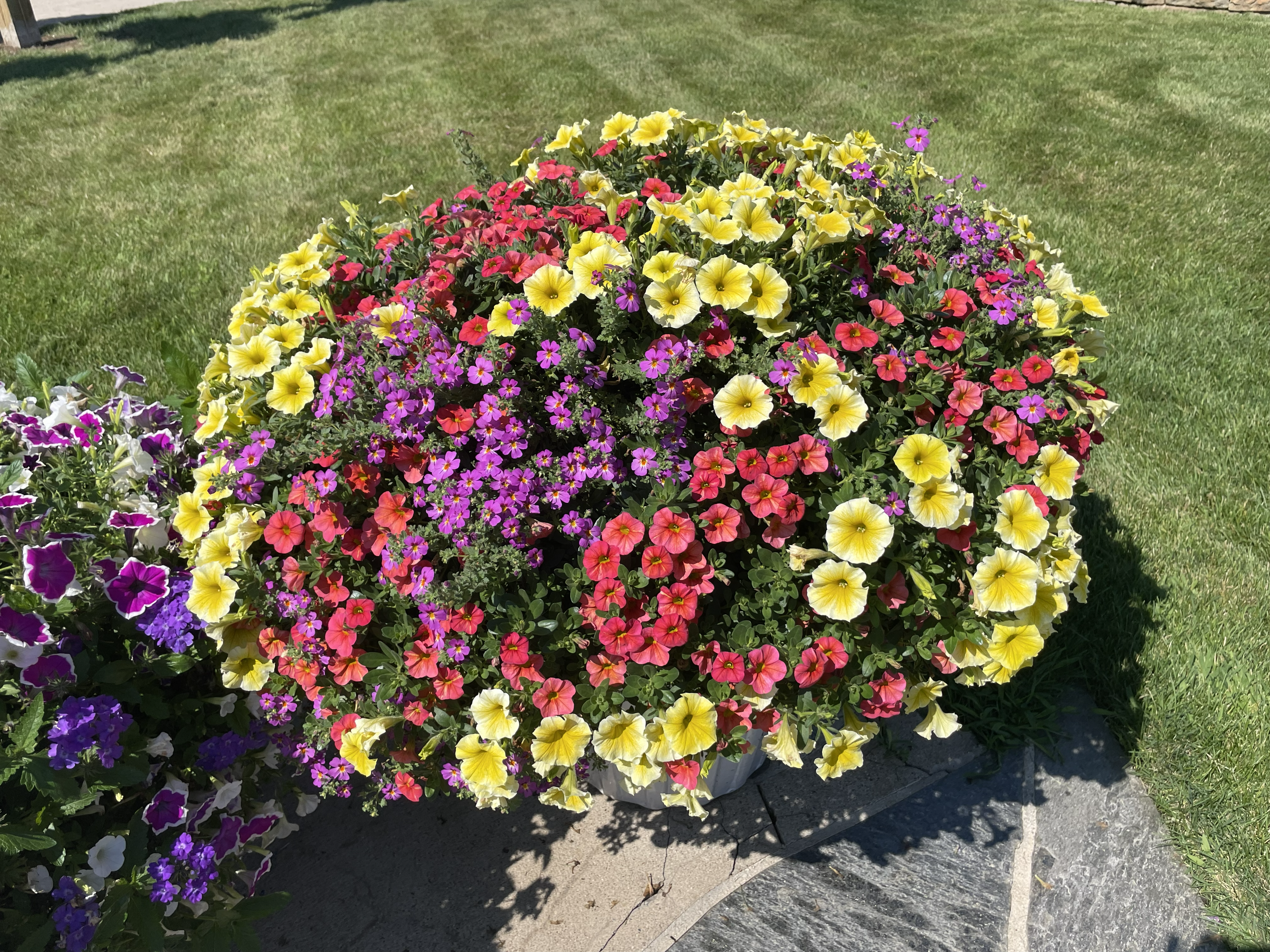
1. 2026 Proven Winners Recipe of the Year ‘Saffron Sunrise’
- Calibrachoa Superbells ‘Tropical Sunrise’
- Jamesbrittenia Safari ‘Dusk’
- Petunia Supertunia ‘Saffron Finch’
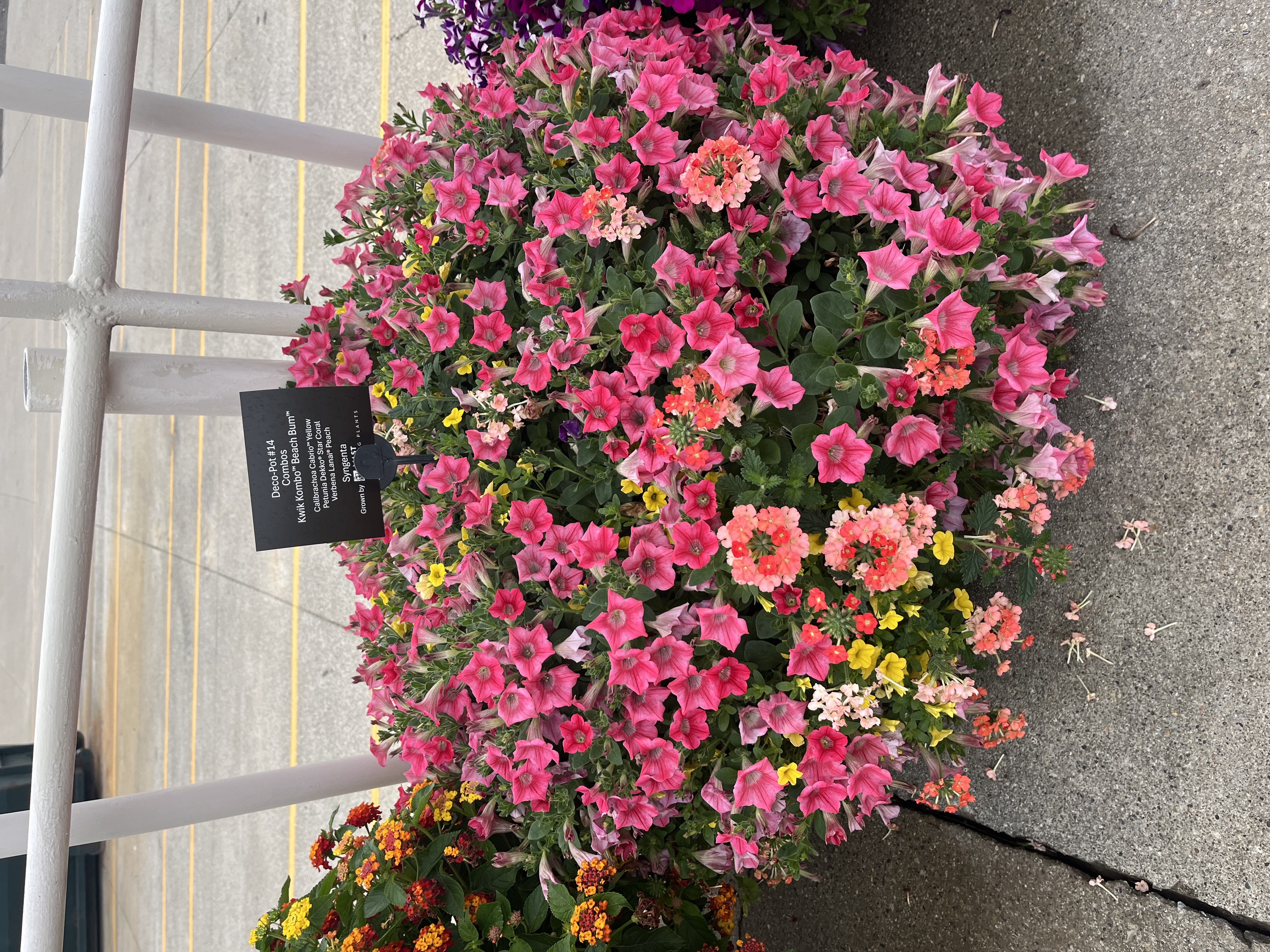
2. Combination planter: Kwik Kombo Beach Bum by Syngenta
- Calibrachoa Cabrio ‘Yellow’
- Petunia Dekko Star ‘Coral’
- Verbena Lanai ‘Peach’
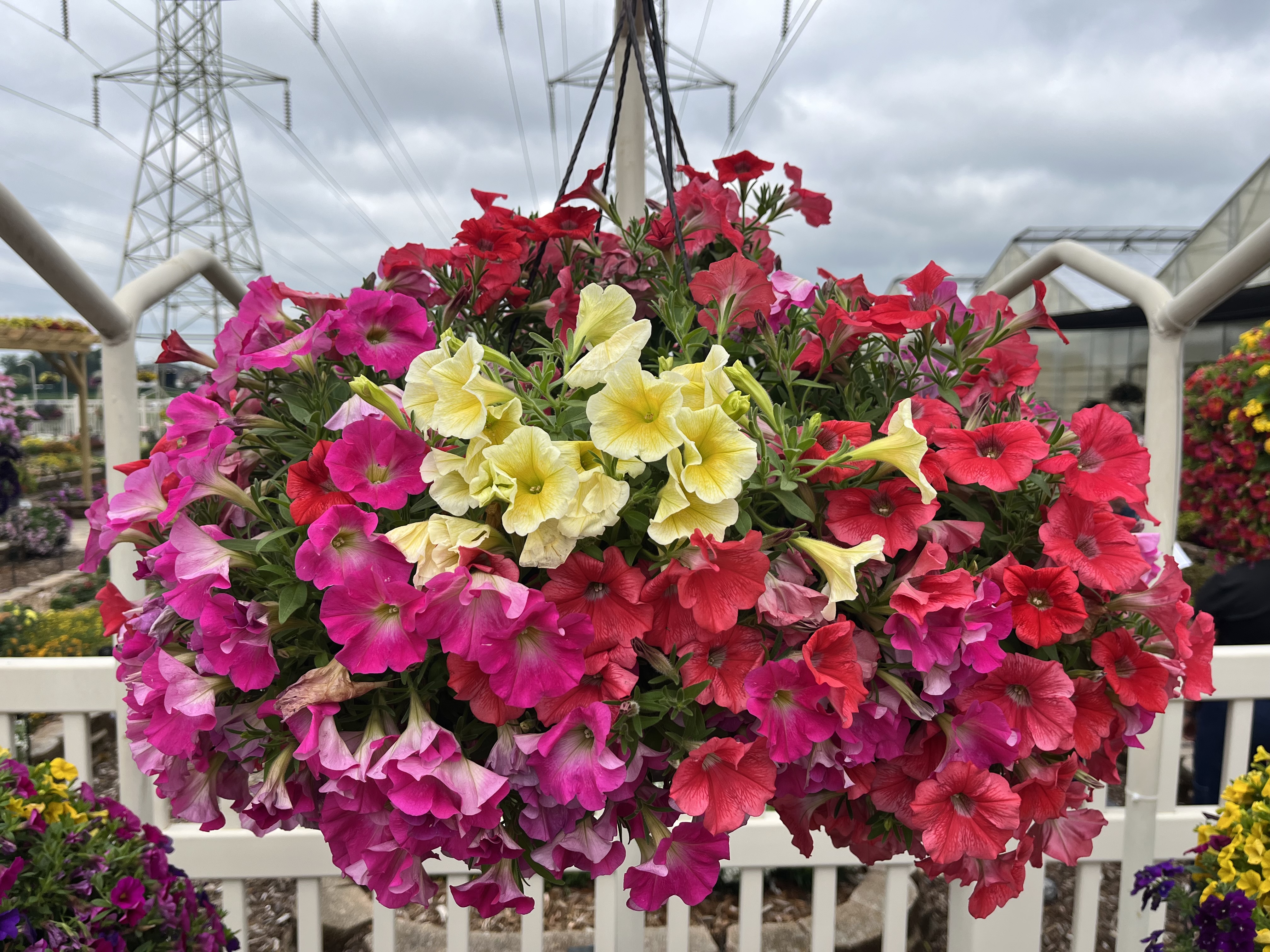
3. MixMaster Before You Know by Ball Flora Plant
- Petunia CannonBall ‘Coral’
- Petunia CannonBall ‘Pink’
- Petunia CannonBall ‘Yellow’
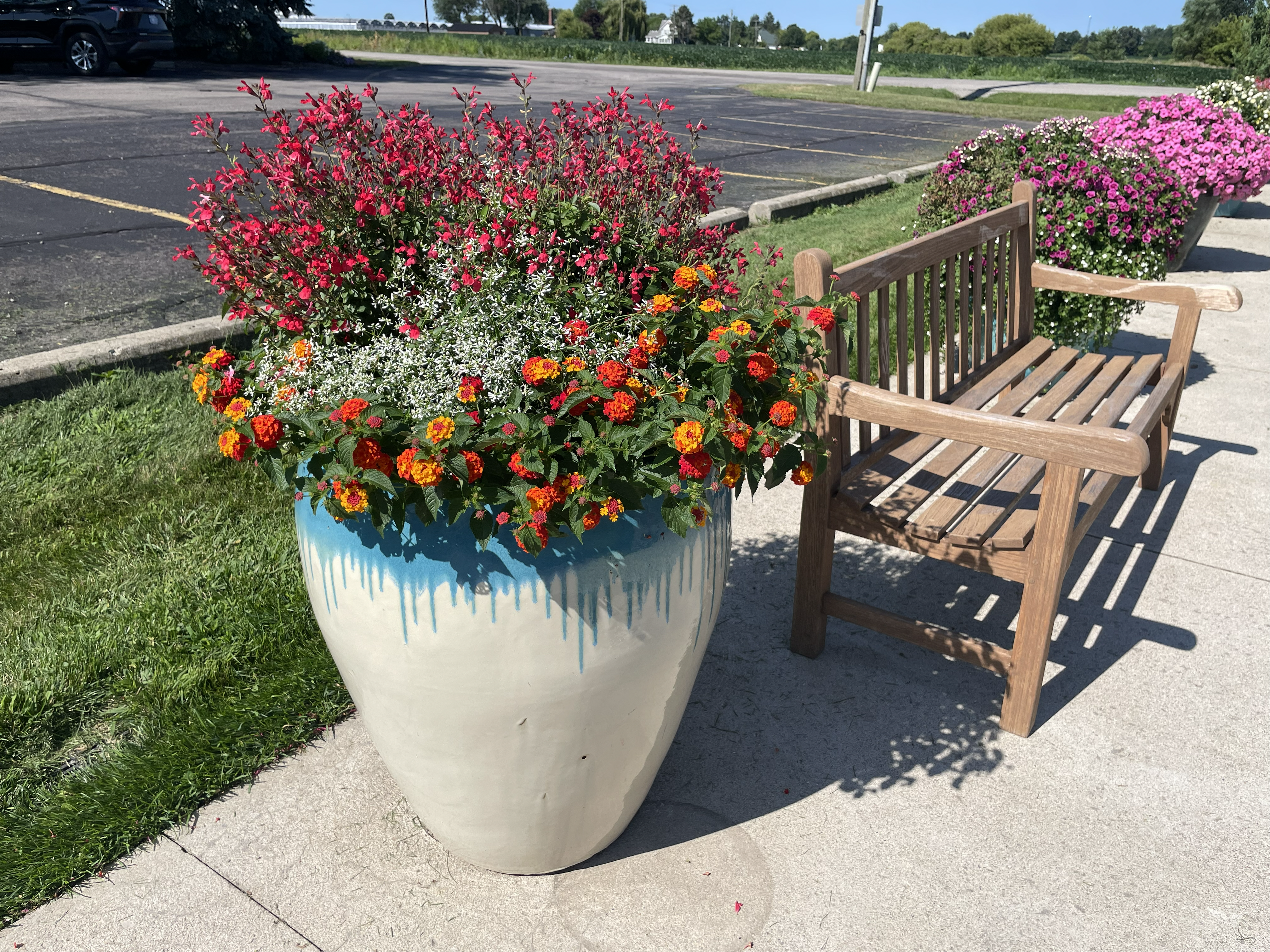
4. Warm tones combination at Proven Winners Carleton
- Outshine Red Salvia
- Diamond Frost Euphorbia
- Luscious Citrus Blend II Lantana
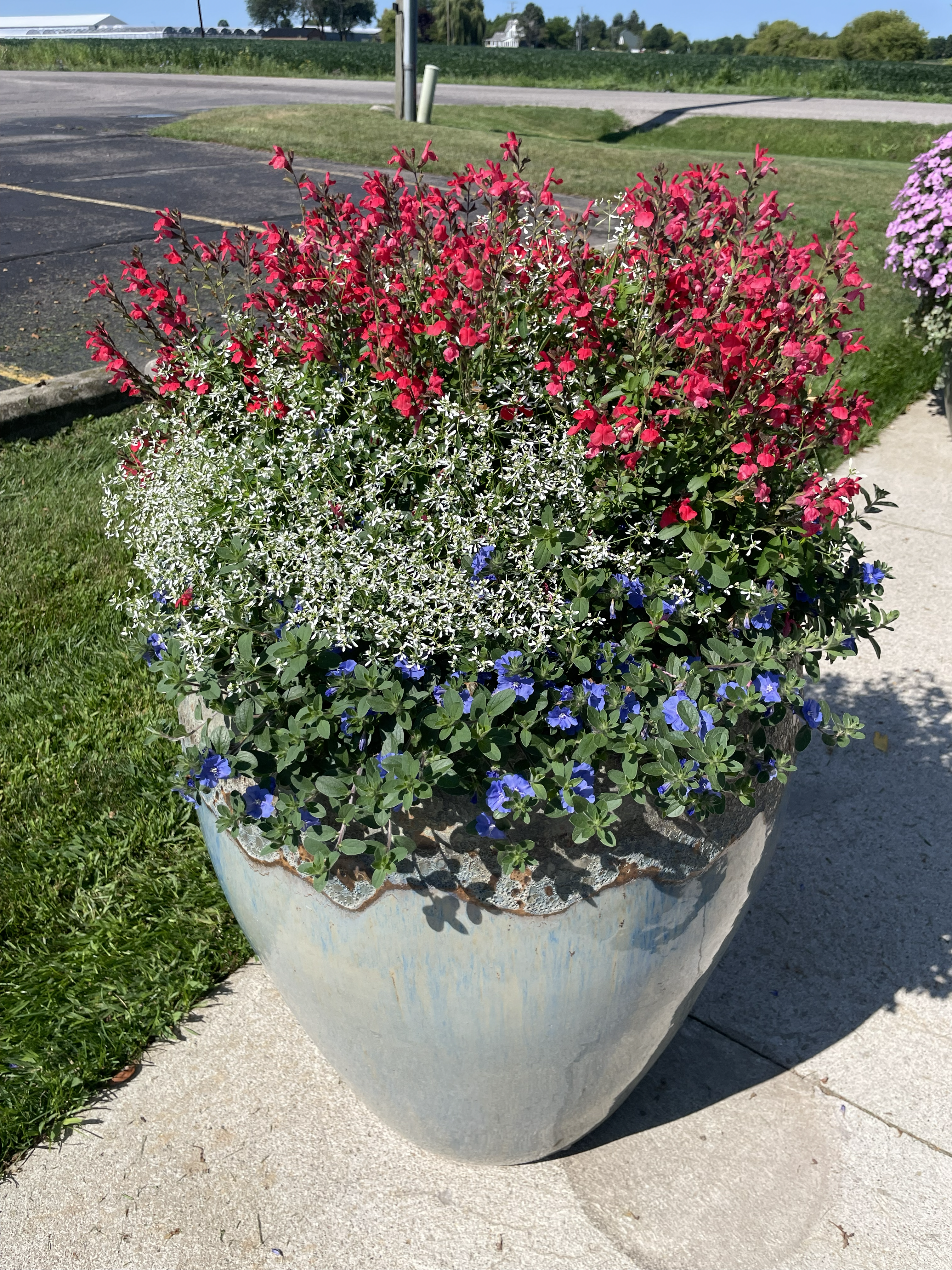
5. Patriotic planter at Proven Winners Carleton
- Red ‘Outshine’ Salvia
- White Euphorbia ‘Diamond Frost’
- Blue Evolvulus ‘Blue My Mind’
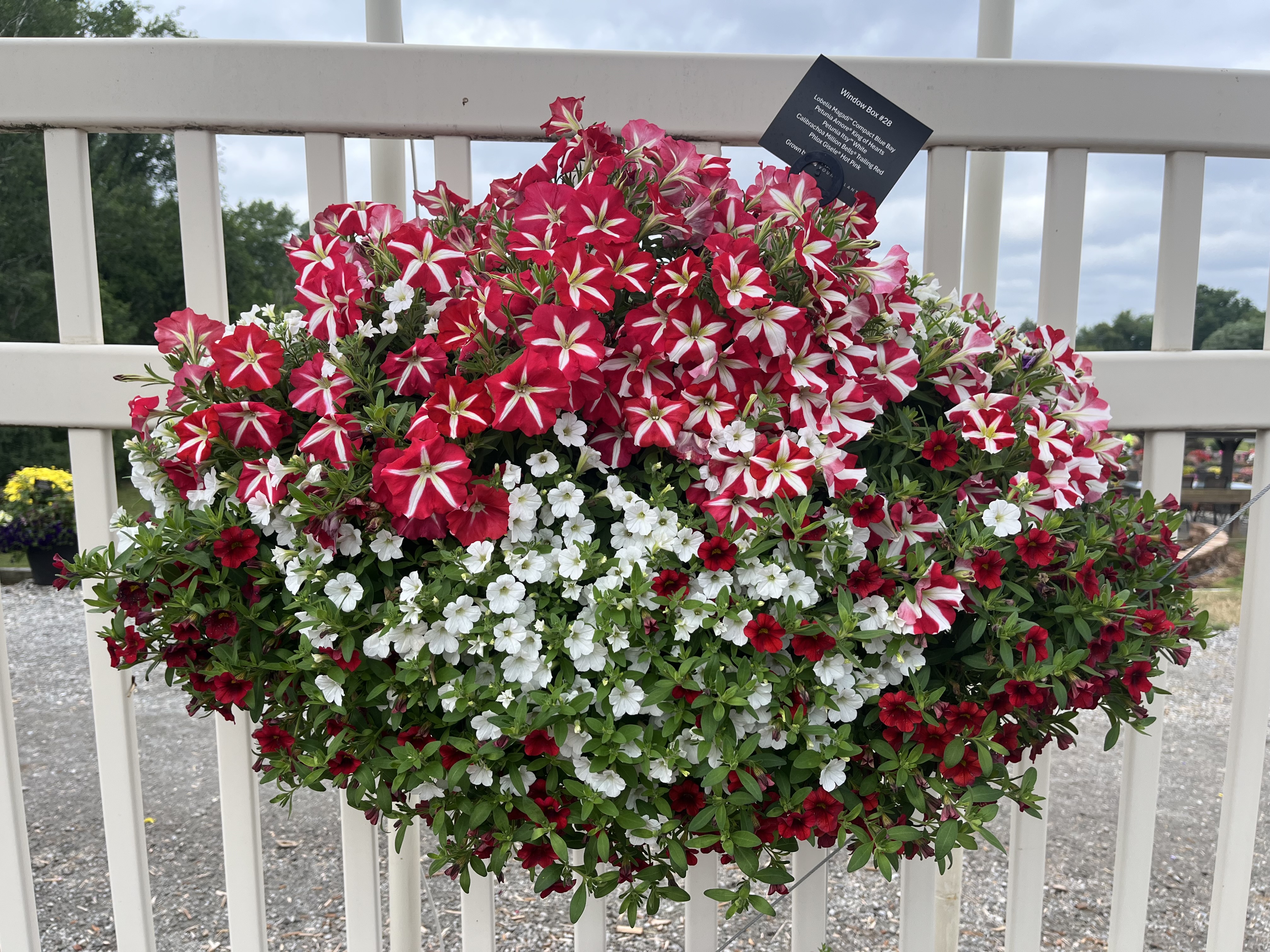
6. Window box trial by Mast Young Plants
- Lobelia Magadi Compact ‘Blue Bay’
- Petunia Amore ‘King of Hearts’
- Petunia ‘Itsy White’
- Calibrachoa Million Bells ‘Trailing Red’
- Phlox Gisele ‘Hot Pink’
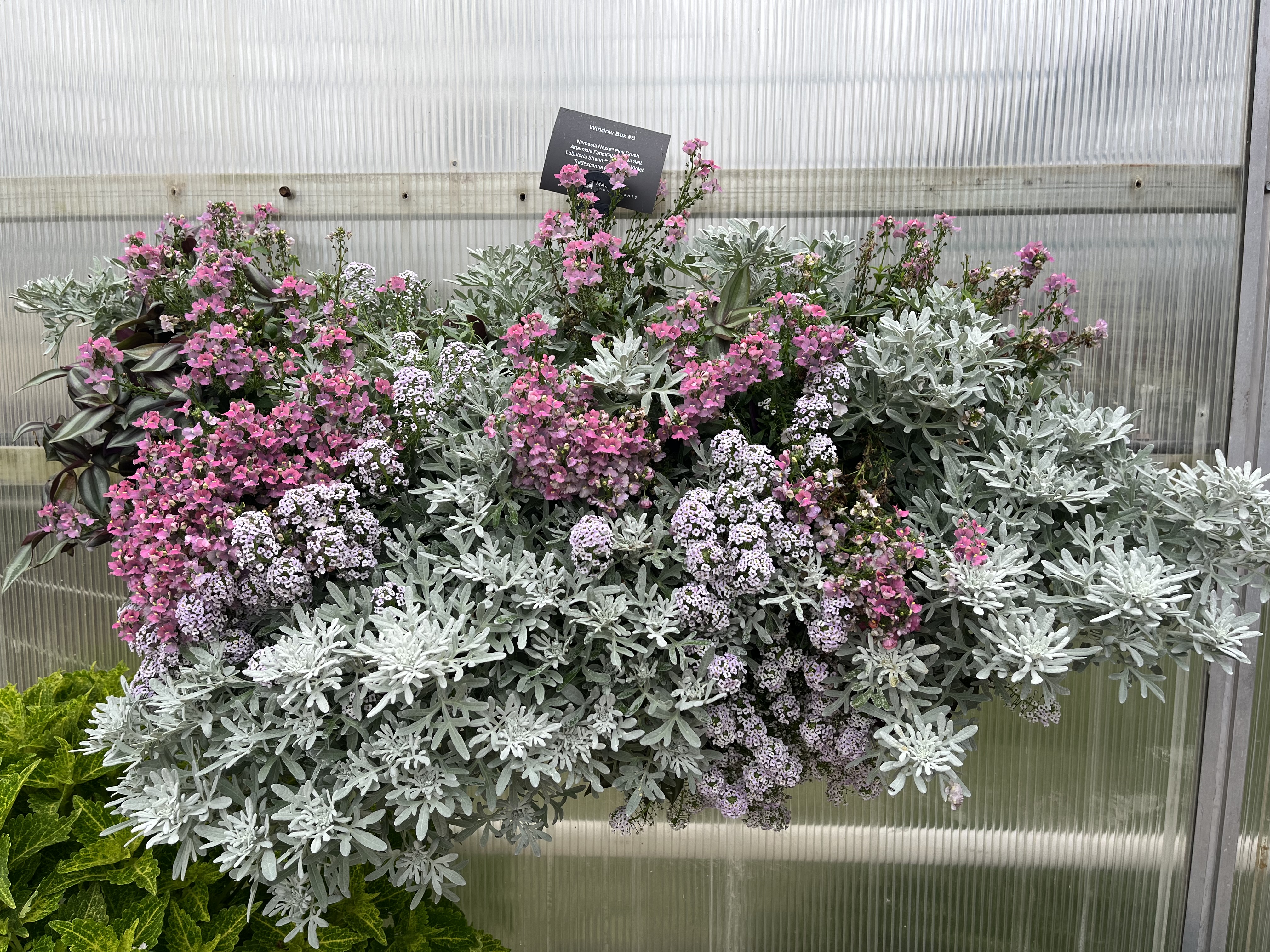
7. Pink and silver window box at Mast Young Plants
- Nemesia Nesia ‘Pink Crush’
- Artemisia FanciFillers ‘Sea Salt’
- Lobularia Stream ‘Compact Violet’
- Tradescantia ‘Purple Silver’
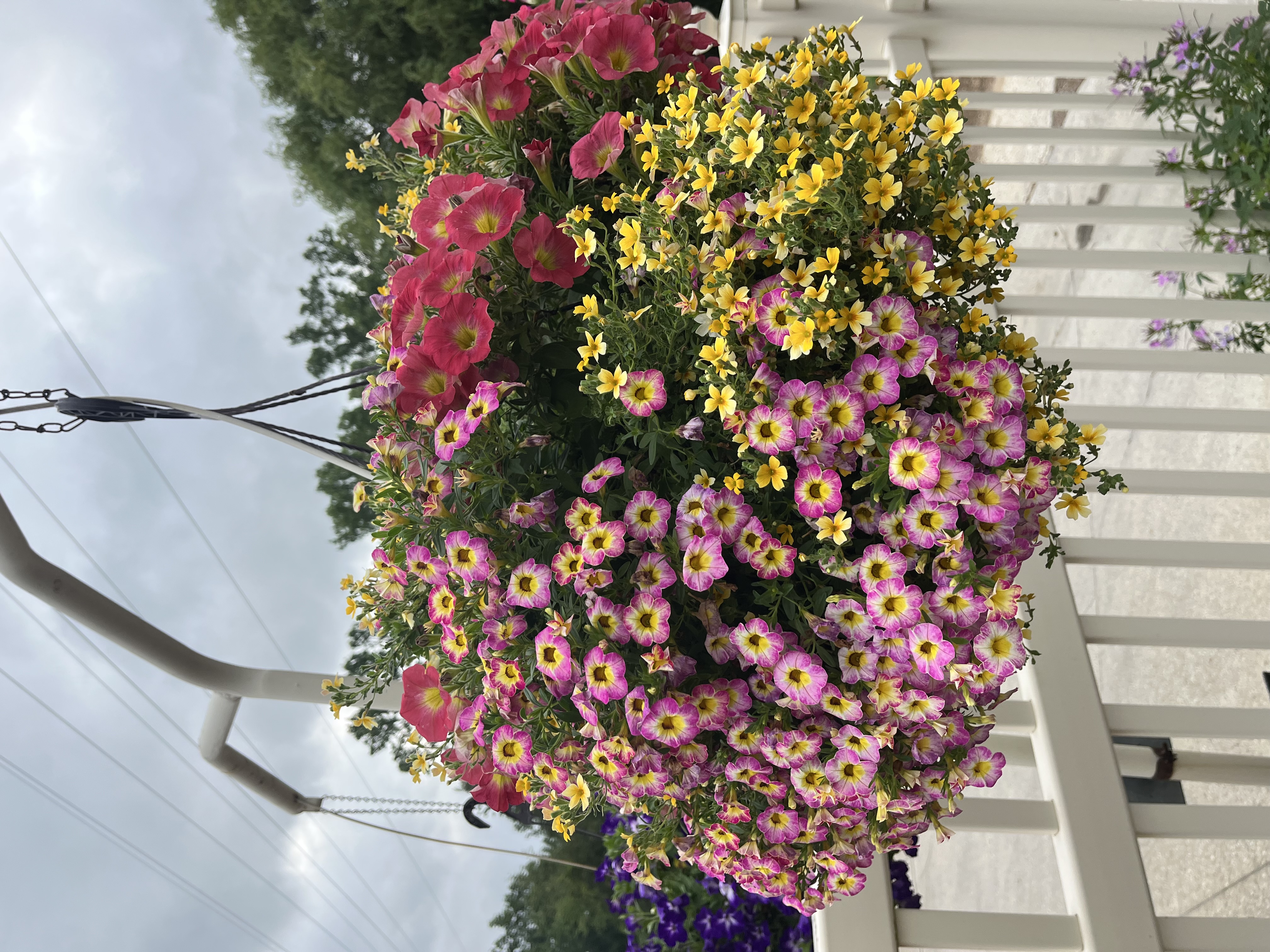
8. Pink and yellow hanging basket combination at Mast Young Plants
- Petunia Capella Salmon
- Calibrachoa Cha-Cha Diva ‘Hot Pink’
- Jamesbrittenia Stardom ‘Goldstar’
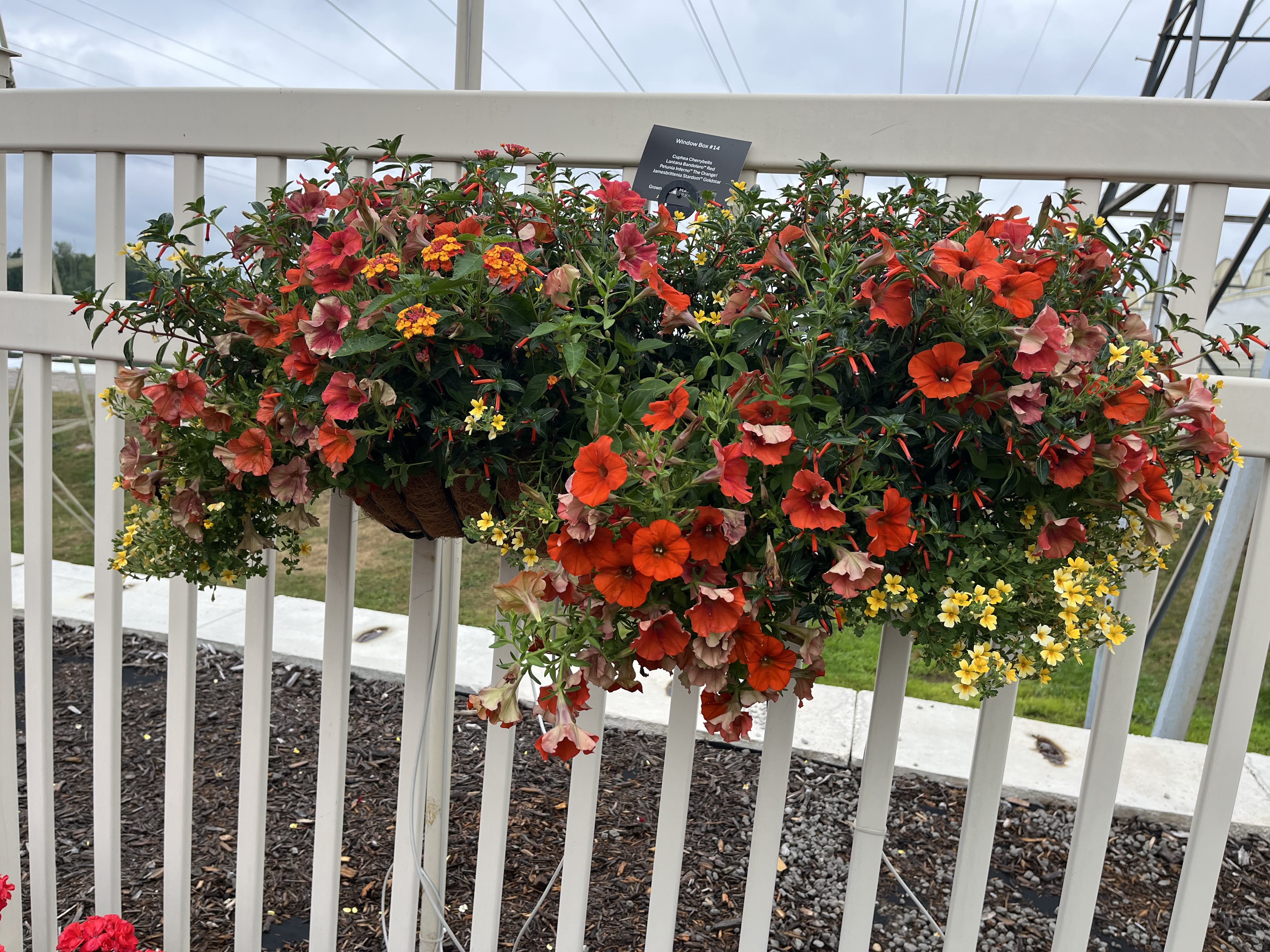
9. Red, orange and yellow window box at Mast Young Plants
- Cuphea ‘Cherrybells’
- Lantana Bandolero ‘Red’
- Petunia Inferno ‘The Orange’
- Jamesbrittenia Stardom ‘Goldstar’
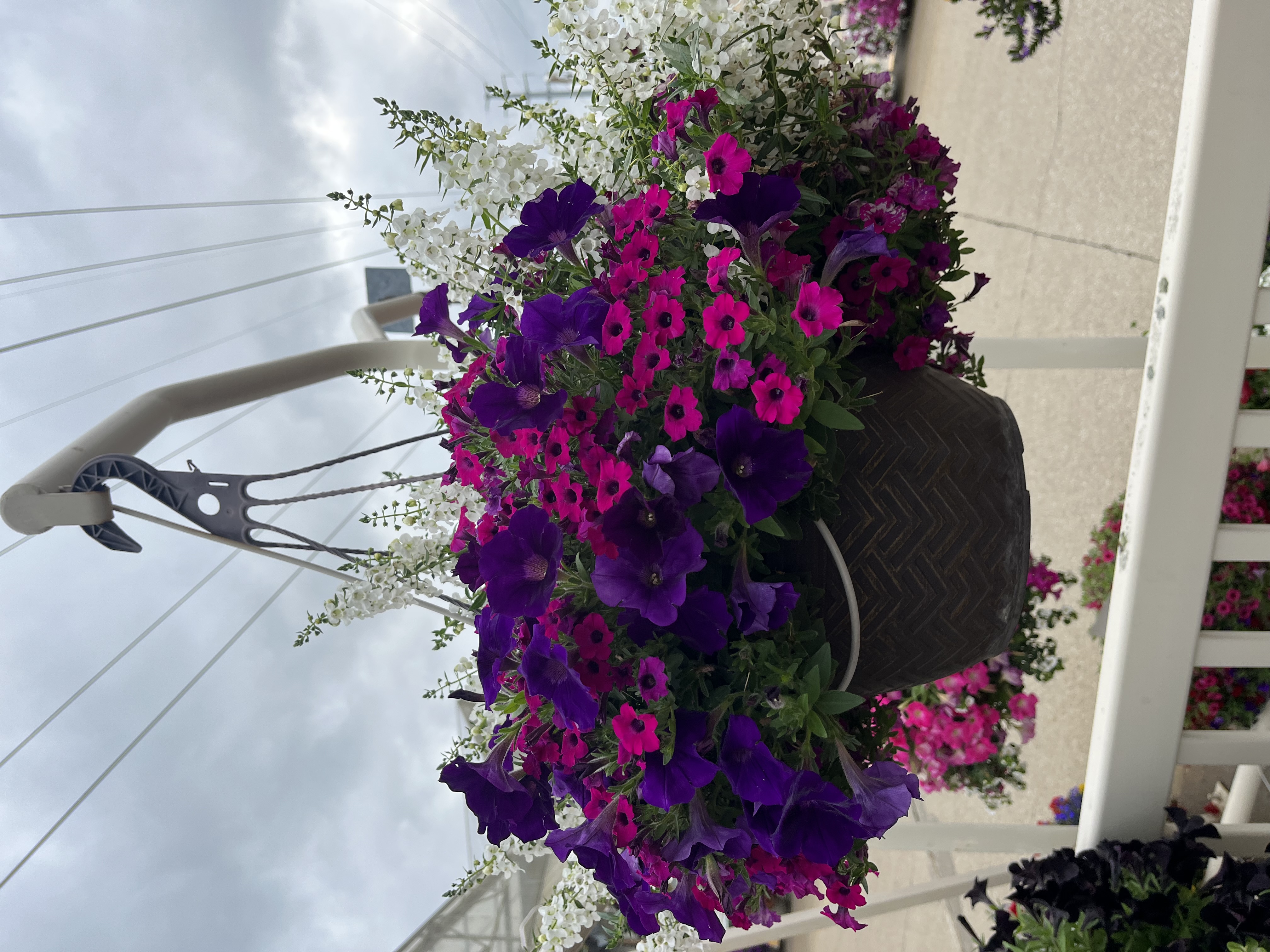
10. White, pink and purple basket at Mast Young Plants
- Petunia Capella ‘Indigo’
- Petunia ‘Itsy Magenta’
- Angelonia Angelmist ‘Spreading White’
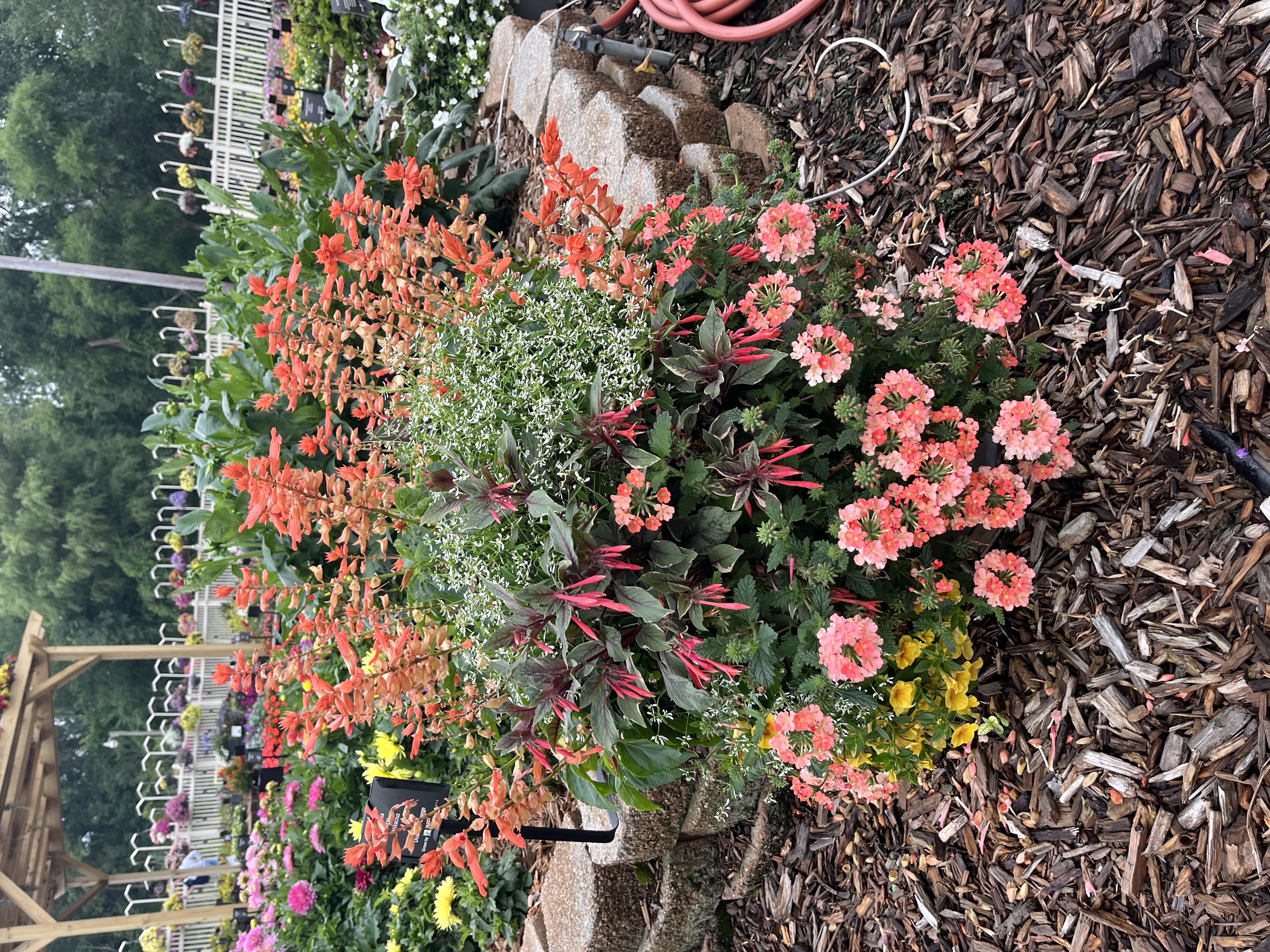
11. Peach, yellow and white container combination at Mast Young Plants
- Salvia splendens Saucy Coral
- Fuchsia Variegated Leaf Firecracker
- Verbena Lanai Peach
- Calibrachoa Callie Mango
- Euphorbia Euphoric White
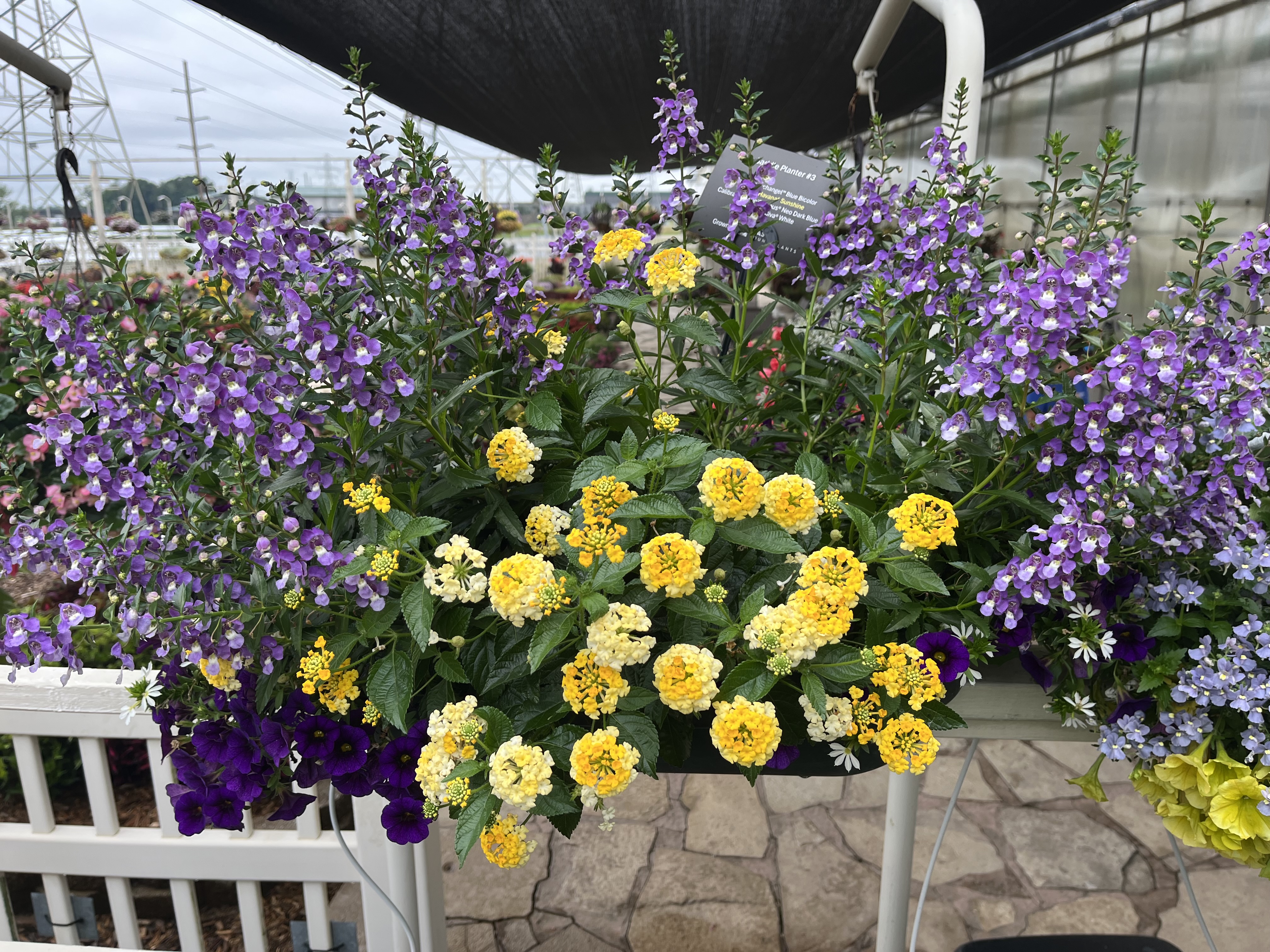
12. Purple and yellow window planter combination at Mast Young Plants
- Angelonia Archangel ‘Blue Bicolor’
- Lantana Havana ‘Sunshine’
- Calibrachoa MiniFamous ‘Neo Dark Blue’
- Scaevola Surdiva ‘White’
For top 2026 varieties, check out the other articles in our series:
- Part 1: Featured Five 2026: Favorites from DGI Propagators Trial Gardens
- Part 2: Featured Five 2025: Favorites from Proven Winners Carleton
- Part 3: Featured Five 2025: Favorites from Mast Young Plants
- Part 4: Featured Five 2025: Favorites from MSU Trial Gardens
- Part 5: Featured Five 2026: Favorites from Pell Greenhouses
- Part 6: Featured Five 2025: Favorites from Raker-Roberta’s Young Plants
- Part 7: Featured Five 2025: Favorites from Walters Gardens
- Part 8: Let’s Play Nice and Shine: Twelve Stellar Compatible Combinations