Pickles — not just for cucumbers!
 Print
Print Email
EmailLooking to add some zip and zest to a meal but are in a pickle as to what to do? Try adding a pickled product!
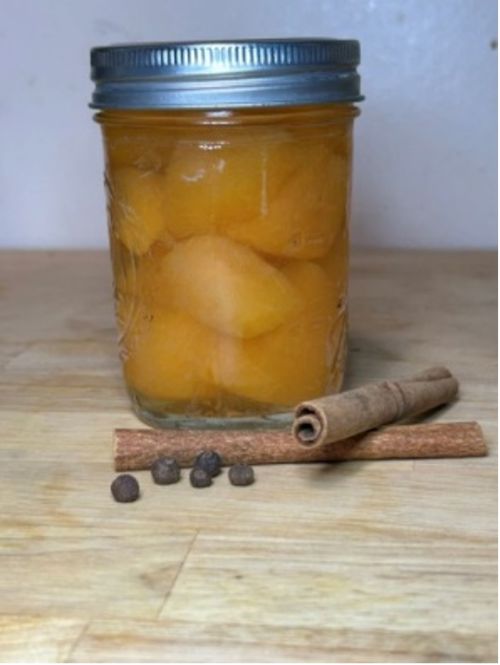
Pickling is one method of preserving produce. Pickled products are made by combining fruits or vegetables with ingredients like salt, spices, vinegar and sometimes sugar. Pickled foods can range in flavor from sweet to distinctly sour.
There are four types of pickled products
- Brined or fermented pickles
Brined or fermented pickles go through a brining process, soaking in a salt and water solution. This can take anywhere from one to several weeks to complete. The brining process changes the color, flavor and texture of the vegetable. An example is 14-day sweet pickles from National Center for Home Food Preservation. - Fresh-pack pickles
A second type is the fresh-pack pickle. This method involves covering the produce with a boiling-hot vinegar and seasoning mixture. Some recipes call for a short brining step before processing with the pickling liquid. Fresh-pack pickles are quick and easy to make. Some recipes suggest allowing the pickles to rest for several weeks after processing to develop a better flavor. A long-time favorite example of a fresh-pack pickle is dilled beans. Another example is refrigerator pickles that are brined in the refrigerator and not processed in a canner. - Fruit Pickles
The third type of pickle is the fruit pickle. Fruit pickles consist of sliced or whole fruit simmered in a sweet and spicy syrup containing vinegar or lemon juice. Their sweet and tangy flavor pairs well with cheeses and cured meats, making them a welcome addition to charcuterie boards. One example is spicy melon pickles. - Relishes
Last but not least is the relish. From backyard cookouts to ballpark hot dogs, relish has long been a favorite condiment. Chopped fruits and vegetables are simmered in a vinegar solution. A fun example of a relish is corn relish.
When selecting ingredients, choose tender, young vegetables and pickle them within 24 hours of harvest. Use only “pickling” cucumbers for best results. “Slicing” cucumbers can result in a softer product.
Use pickling or canning salt, which does not contain the anti-caking agents found in many table salts. The anti-caking agents can darken pickles or make the brine cloudy. The vinegar can be cider or white vinegar, but it must be “5% acidity.” Avoid using homemade vinegar, as its acidity can vary and may not provide the level of acid needed for safe pickling. Use white granulated sugar, unless the recipe calls for brown sugar.
For the best quality flavor, use whole spices when possible. Ground spices can darken, discolor, or make the brine cloudy. If you have hard water, you may want to use softened or bottled water as the minerals can cause a discolored or dark pickle.
Follow a research-based, tested recipe from Michigan State University Extension, another Cooperative Extension Service, the National Center for Home Food Preservation or the most recent edition of the Ball Blue Book to ensure a safe pickled product. These recipes have been developed to provide the proper balance of vegetables and acid needed for safe boiling water canning.
Recipes that have not been tested for safety may not contain the right balance of ingredients to prevent the growth of harmful bacteria, including Clostridium botulinum. For safety, never alter the proportions of vegetables, vinegar or other ingredients in a tested recipe.
If you follow a tested recipe when making a pickled product, you won't be in a pickle!