Indoor fitness in the winter
 Print
Print Email
EmailStay fit inside if being active outdoors is challenging.
When the weather turns cold, it can be easy to stay bundled up indoors. However, it is important to get physical activity into our daily routine year-round, even if staying indoors. According to the Centers for Disease Control and Prevention (CDC), regular physical activity helps improve your overall health and fitness, and reduces your risk for developing chronic diseases and conditions. There are many ways to be active inside your own home and at other indoor sites.
Move to the music
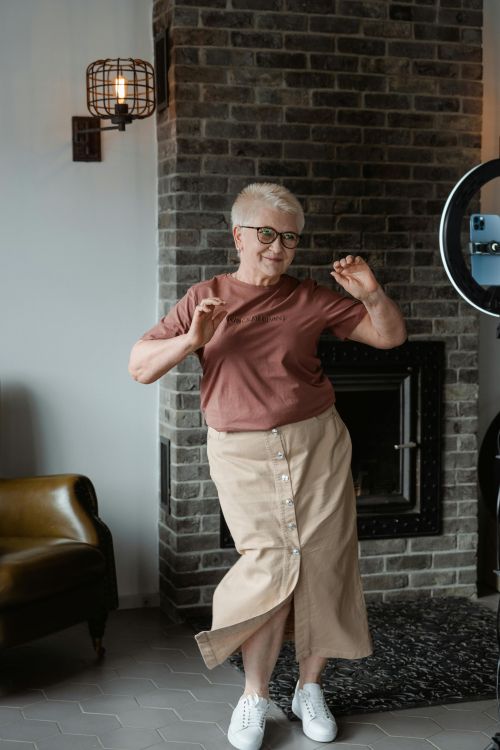
Turn up the music and dance around the house. Dancing around the house, either alone or with others, can be enjoyed almost anytime.
Walk
Remember that steps inside still count. Walking in place, around your home, or in another safe location can be great ways to move indoors. Get your power walking on with a friend at a local shopping center.
Add motion breaks
Notice how much time you spend sitting in a chair and try to get up frequently to add motion into your day. When you are watching TV, get up each time an advertisement comes on or when there is a break between shows. When you are on your phone, walk around indoors, or set a timer to make sure you get up and move.
Home workouts
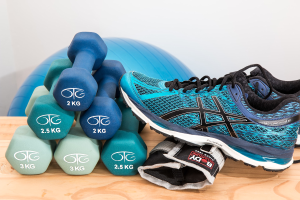
Find a home workout program you enjoy. Bodyweight exercises, resistance bands, exercise apps, and workout videos are great options. Michigan State University Extension offers Tai Chi for Arthritis and Fall Prevention via Zoom, so you can practice at home.
Other indoor activities
Find other indoor activities elsewhere, such as bowling, volleyball, yoga, Pilates, or swimming at school or community pools. Check with your local library, Commission on Aging, community center, or school to see if they offer classes at little or no cost. For some people, a gym membership can be an incentive because of the financial investment. Getting to know other gym members can be a great social benefit.
The important part is to keep moving despite the weather and colder temperatures. Find ways to stay active indoors that work for you, or with a companion, and make a commitment to yourself to do body movement regularly.
Tracking your physical activity can help increase motivation. You can find a tracking mechanism that works for you, like putting stars on a calendar on days when you are active. Find other small rewards for milestones in your activities, such as going to a movie or playing a game once you have 10 stars on the calendar.
For adults, the CDC recommends:
- At least 150 minutes a week of moderate-intensity activity such as brisk walking.
- At least 2 days a week of activities that strengthen muscles.
- For older adults, the recommendation is the same, plus activities to improve balance, such as standing on one foot.
There are many benefits to being active. Being active increases our energy because it builds muscle and lung capacity. Physical activity has been shown to improve mood and quality of life, including managing stress. We sleep better and can fall asleep more easily when we are regularly active. Exercising too close to bedtime may disrupt sleep. Try to use an hour or two before bedtime to relax, which will signal your body that it is time to sleep. Regular movement supports bone strength and may also help ease some joint discomfort. Being active becomes more enjoyable when we find activities we like and try new ways to move. You may even find that once you practice indoor activities, you’ll warm up to getting out in the cold.