Sit less, move more
 Print
Print Email
EmailSimple ways to break up sitting time during the workday to support overall health.
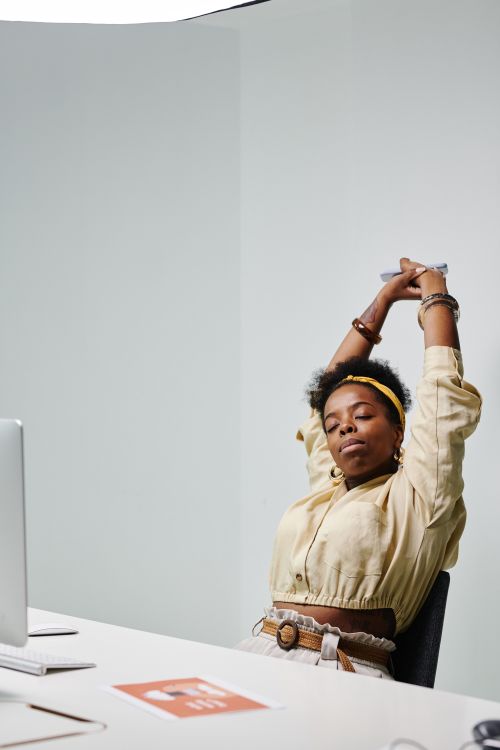
Many people spend much of their workday sitting at a desk, attending virtual meetings or commuting between locations. While prolonged sitting may seem harmless, research shows that spending too much time sedentary can negatively affect both physical and mental health. Extended periods of sitting have been linked to an increased risk of heart disease, type 2 diabetes, depression and even premature death.
The good news is that regular movement throughout the day can help reduce these risks. The World Health Organization and the Physical Activity Guidelines for Americans emphasize that adults should engage in regular physical activity and reduce sedentary time whenever possible. Adults are encouraged to get at least 150 minutes of moderate-intensity physical activity each week and to break up long periods of sitting with movement. Moderate physical activity gets your heart rate up and makes you breathe faster, but you can still hold a conversation.
You do not need a gym membership or a structured workout during the workday to improve your health. Simple actions such as standing up, stretching, walking down the hall or taking a brief movement break every 30 to 60 minutes can make a difference. Research suggests that breaking up sitting time with short bouts of activity can improve blood sugar levels, cardiovascular health, blood pressure and metabolic health, which can improve your overall health. Consider these additional ways to add more movement to your workday:
- Take a short walk during breaks or at lunch.
- Hold walking meetings when possible.
- Set hourly movement timers.
- Use the stairs instead of elevators.
- Alternate between sitting and standing if you have access to a sit-stand workstation.
- Take a movement break with chair or desk exercises. Try Michigan State University Extension's 15-Minute Desk Decompress videos: https://www.canr.msu.edu/physical_activity/flexibility-videos
Even small amounts of movement add up. The key is to move more and sit less. Physical activity does not have to be intense or last long to provide benefits, and every step toward a more active lifestyle can improve health and overall well-being. Michigan State University Extension encourages community members to look for opportunities to stay active throughout the day. Making movement a regular part of your routine can help support heart health, maintain mobility, improve mood and reduce the risk of chronic disease.
If you're looking for ideas to help you move more, explore Michigan State University Extension's physical activity webpage. The page offers free resources and activity ideas to help people find enjoyable, practical ways to stay active throughout the day. No matter your age, fitness level or schedule, these resources can help you discover small changes that add up to meaningful health benefits and support a more active lifestyle.